Acquisition and entry into service
Marshall can facilitate that transition from the earliest stages of acquisition through to entry into service and long-term sustainment.
Withdrawal from operational service is a phased transition process lasting months or years, during which operators must continue to sustain an active fleet while preparing individual aircraft for storage, sale, alternative use or eventual disposal.
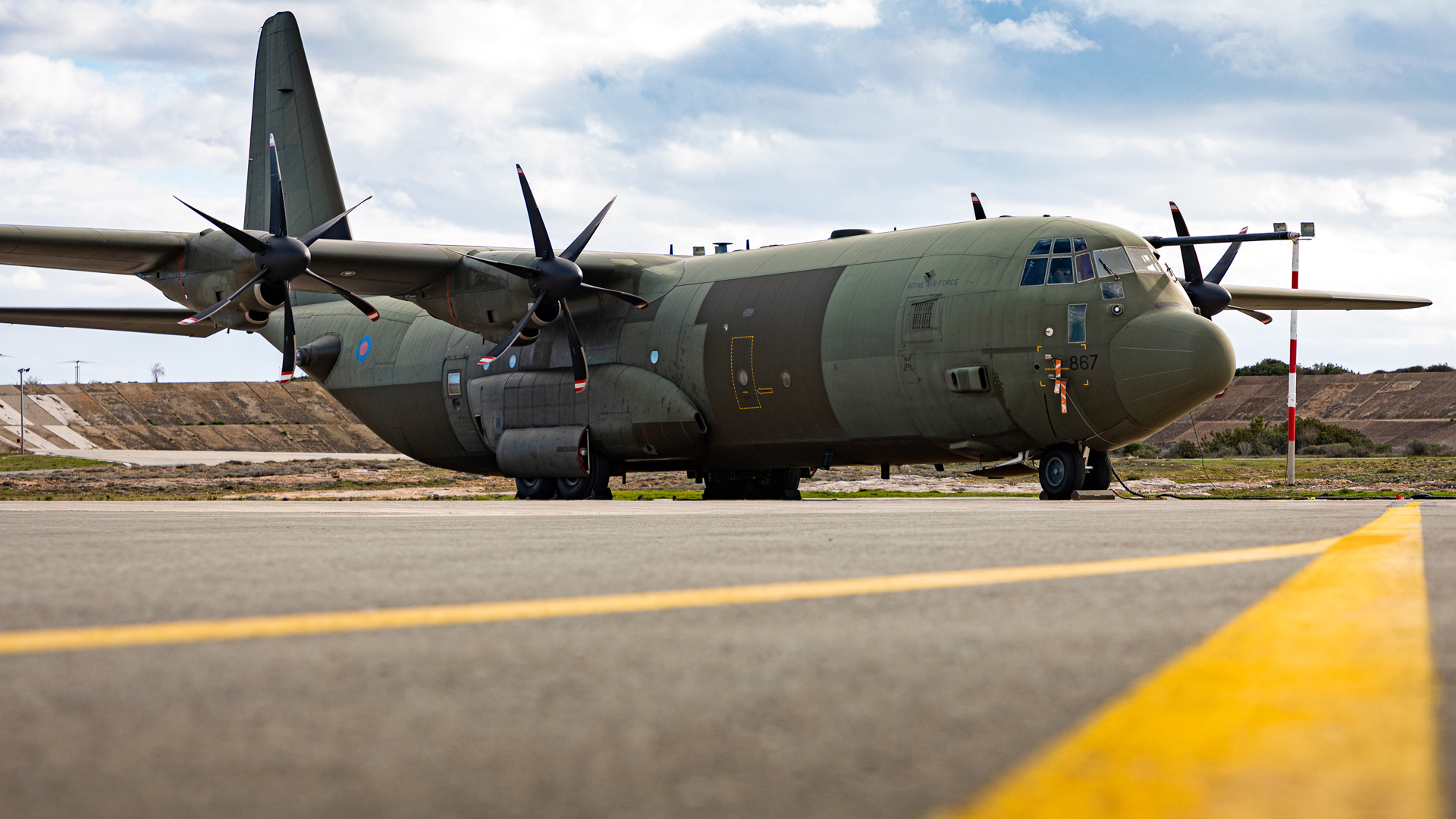
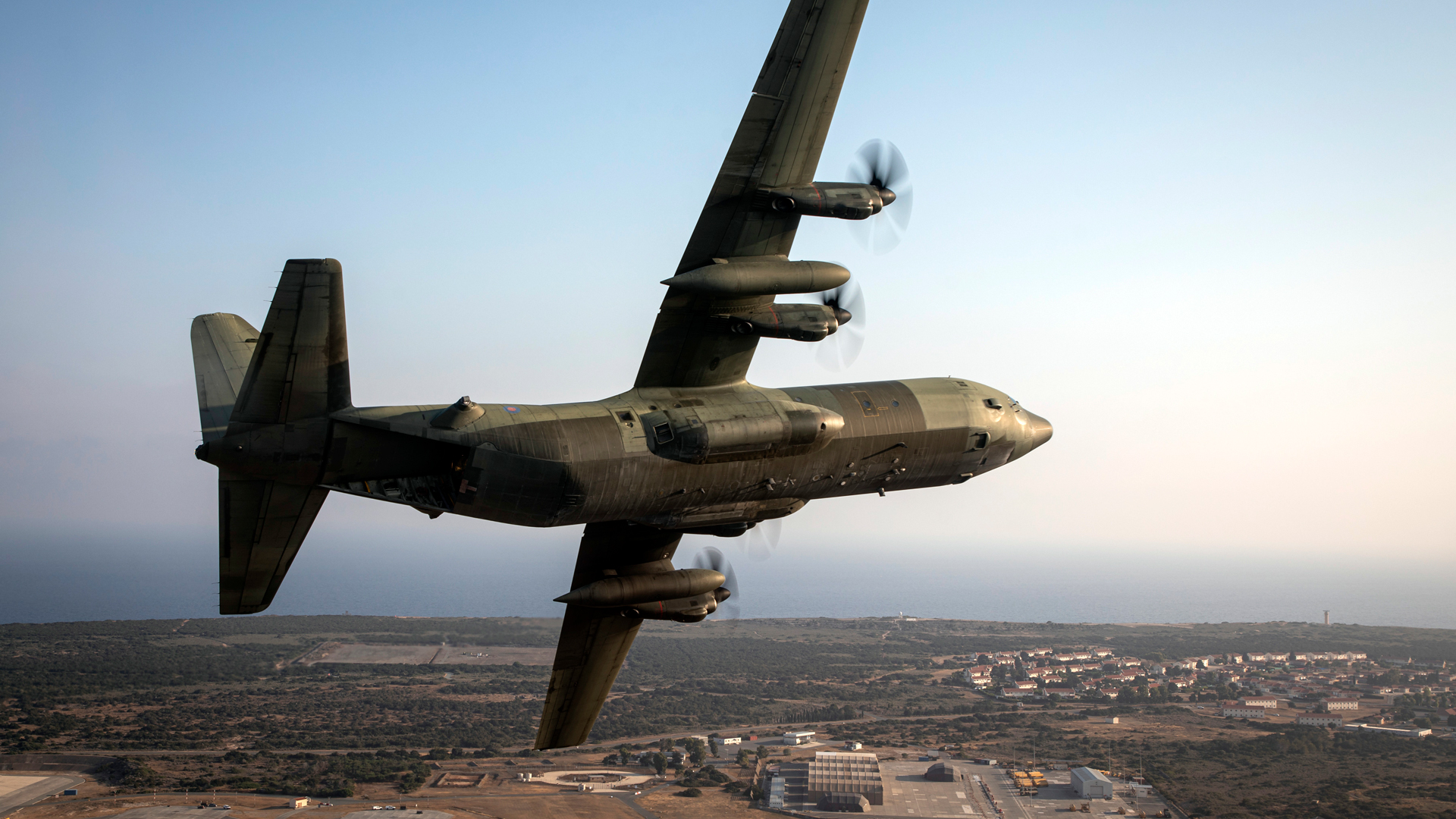
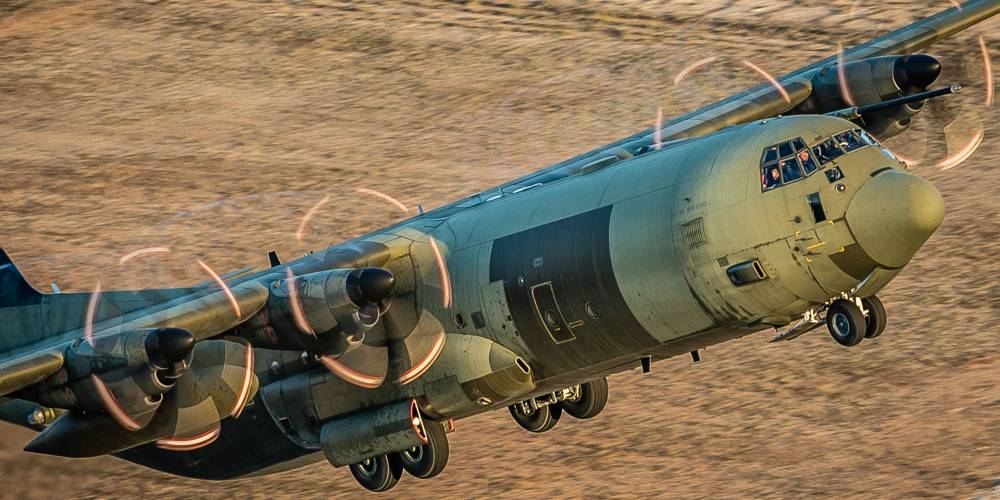
Marshall can support operators throughout that transition, from planning through decommissioning, preservation and potential preparation for resale. We have successfully supported the withdrawal and transfer of legacy C-130 and C-130J Super Hercules fleets to new operators, providing continuity between the requirements of the outgoing owner and the operational needs of the buyer.
As aircraft approach their planned exit from service, operators may need to balance declining fleet numbers against continuing operational commitments, scheduled maintenance requirements and the availability of spares, equipment and technical support. At the same time, personnel and resources may already be transitioning towards a successor platform.
Marshall can help operators develop a structured plan for this period, taking account of each aircraft’s configuration, maintenance status, structural life, technical records and anticipated future use. This can help determine what work remains necessary to sustain safe and effective operation, what activity can reasonably be avoided as withdrawal approaches, and how maintenance and support resources should be prioritised across the remaining fleet.
Planning can also consider the intended destination of individual aircraft. An airframe expected to be sold and returned to flying service may require a very different approach from one being retained for spares, placed into long-term storage or prepared for a non-flying role. Establishing those requirements early helps protect aircraft condition and future value while avoiding unnecessary cost.
Once an aircraft leaves service with its existing operator, it must be placed into a clearly documented and tracked configuration before its next phase can begin. This may involve removal or modification of operator-specific equipment, together with reconciliation of technical records and confirmation of aircraft and component status.
For former RAF C-130Js, for example, Marshall’s decommissioning activity has included the removal of operator-specific radios and avionics, electronic warfare equipment, proprietary systems and legacy mission software. Depending on the equipment and intended new operator, some systems may be suitable for reconfiguration or recoding, while others need to be removed entirely.
Where there is a gap between withdrawal and a decision on the aircraft’s future, effective preservation is essential. Aircraft which are no longer flying can deteriorate quickly if moisture, corrosion, environmental exposure and inactivity are not properly controlled.
Marshall can prepare aircraft for storage through measures including engine and APU inhibition, protection of windows, doors and other aircraft openings, and additional precautions where local environmental conditions require them. Once stored, aircraft can be managed through a defined anti-deterioration programme incorporating ventilation or dehumidification, humidity monitoring, renewal of desiccant materials where required, and scheduled inspection activity.
These checks allow protective coverings and shrouded areas to be examined, the fuselage and exposed surfaces to be assessed for deterioration, and systems such as the landing gear to be serviced and lubricated as necessary. Aircraft are maintained in a controlled condition so that future options remain viable.
Where an aircraft has genuinely reached the end of its useful operational life, controlled teardown and spares management can recover value from serviceable components and help support other aircraft in the fleet. Parts can be identified, removed and preserved alongside the technical records and traceability required for their future use, subject to applicable airworthiness and regulatory requirements.
Where the intended future use is as a ground-training asset or for static display, the decommissioning process can instead be adapted to leave the aircraft in an appropriate and safe configuration while removing equipment that cannot remain with the airframe.
For aircraft with useful life remaining, withdrawal from one fleet can mark the beginning of service with another. Successful resale depends on giving prospective customers a clear understanding of the aircraft they are considering: its condition, configuration, maintenance history, remaining requirements and the practical route towards entry into service.
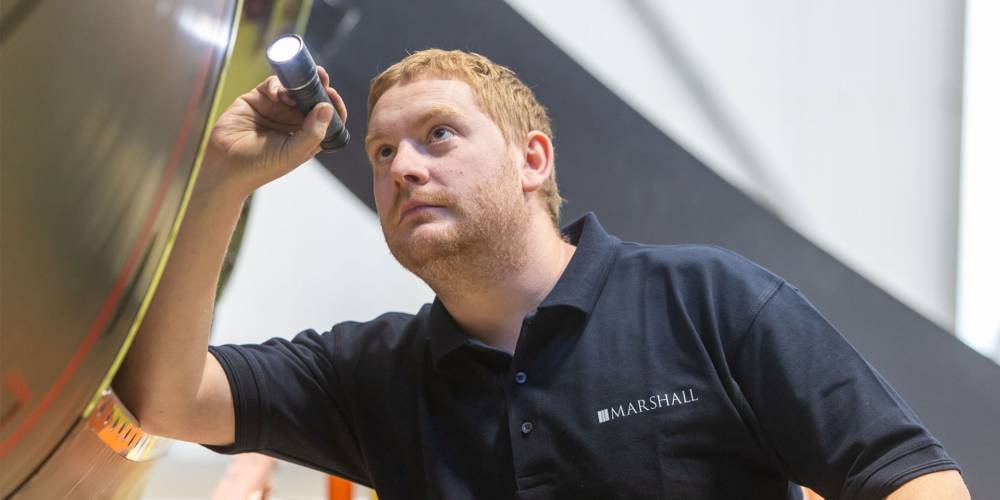
Marshall can support the existing owner throughout that process, including preparation of aircraft for customer access, support for inspections and technical enquiries, review and presentation of technical records, and clarification of configuration and maintenance status. Our engineering and C-130 platform expertise can also help identify work required to make an aircraft suitable for onward sale and subsequent operation. During the transfer of former RAF C-130Js to Bangladesh and Türkiye, Marshall worked with the UK Ministry of Defence and DE&S to support prospective-buyer inspections and technical-record reviews before subsequently preparing the aircraft for their new operator.
Acquisition and entry into service
Where required, Marshall can take the process beyond sale preparation. Our maintenance, engineering, modification, manufacturing, paint, test and certification capabilities allow aircraft to undergo repairs, depth maintenance, structural replacement and modernisation and configuration changes before delivery. This can turn previously operated aircraft into a coherent and supportable fleet configured around the requirements of its new owner.
By managing withdrawal as part of the wider aircraft lifecycle rather than as an isolated final task, Marshall can help operators protect residual value, manage risk and keep the widest possible range of options open for aircraft leaving their fleet.