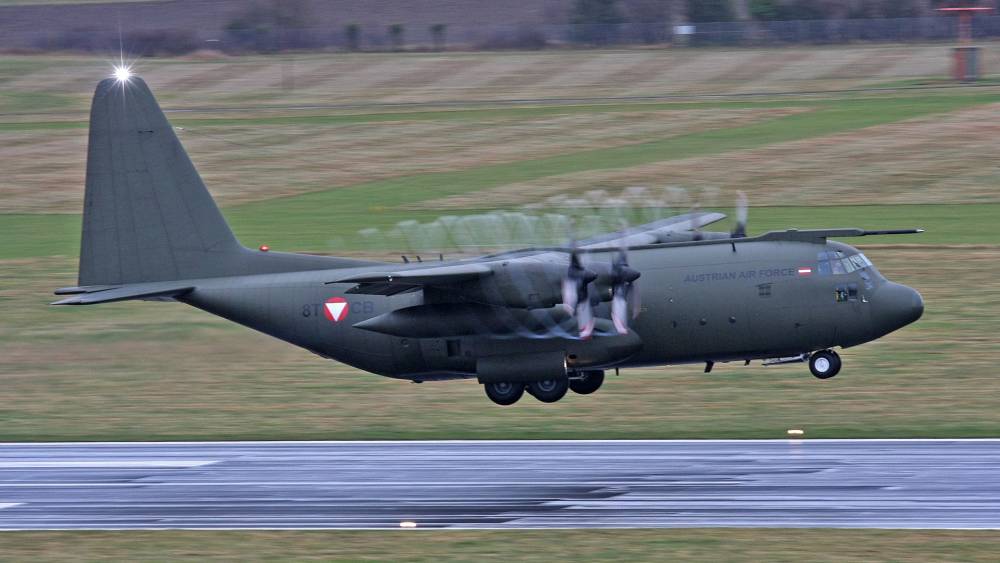
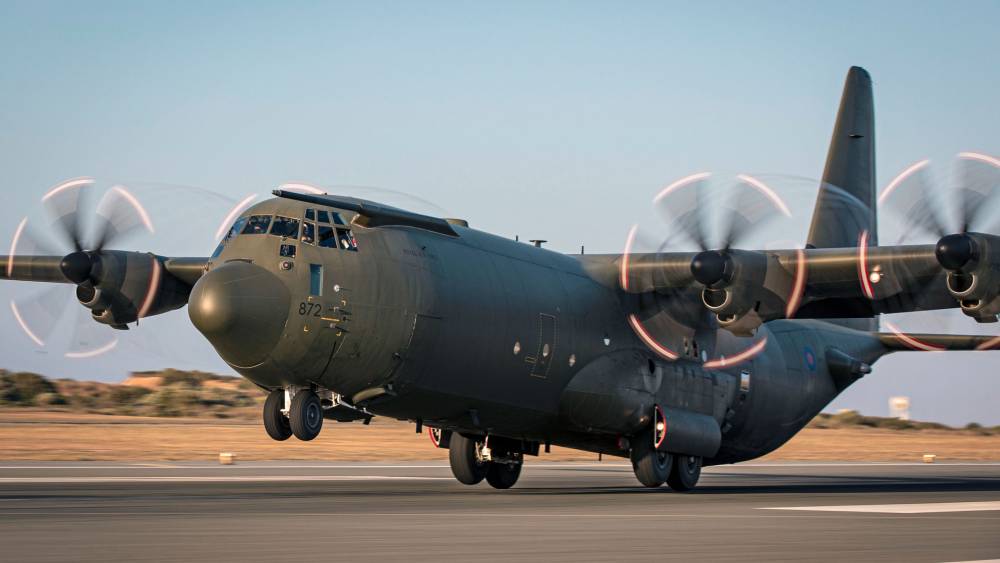
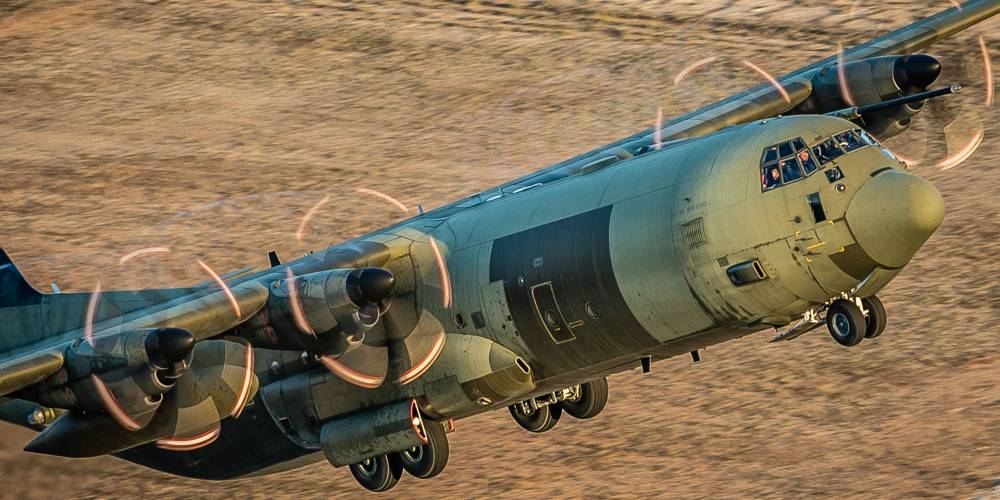
Acquisition and entry into service
Marshall can facilitate that transition from the earliest stages of acquisition through to entry into service and long-term sustainment.
Aircraft availability, capability and long-term value are shaped by decisions made throughout the life of a fleet: from acquisition and entry into service, through decades of operation and maintenance, to eventual withdrawal, transfer or resale.
Marshall combines decades of engineering, maintenance and operational support experience to help operators make those decisions with greater confidence. Our through-life management capabilities bring together aircraft usage data, technical records, OEM information and maintenance findings with practical engineering, logistics and support expertise, helping customers understand the condition, requirements and future needs of individual aircraft and entire fleets.
For the C-130 Hercules, our support can begin before an aircraft enters service, with acquisition, refurbishment, modernisation, certification, training and logistics preparation. It can continue during operation through Fleet Intelligence services, Operational Usage Evaluation, maintenance, engineering and technical support, before extending to withdrawal from service and preparation for transfer or resale. This whole-life approach helps operators manage risk, protect continued airworthiness, maximise aircraft availability and preserve the value and utility of their assets for as long as possible.
Marshall can support operators from the point at which an aircraft or fleet is being considered for acquisition, helping to build confidence in the condition, configuration and supportability of the assets before they enter service. To date, we have supported acquisition and entry into service for eight operators of legacy C-130 and C-130J Super Hercules aircraft.
Once an acquisition is agreed, we can manage the transition from the aircraft’s existing configuration to a coherent, mission-ready fleet. This can include removal of previous-operator equipment, depth maintenance and structural work, repairs, repainting, avionics and capability upgrades, testing and certification.
We can also provide spares packages, ground support equipment and tooling, logistics and technical publications, training and in-country support to help operators establish their own capability and move into sustainable long-term operations.
As aircraft age, variations in configuration, service history and operational use make it increasingly difficult to determine which OEM instructions apply, when action is necessary and how work should be prioritised. Relevant information may be spread across service bulletins, information letters, equipment recommendations, technical records and maintenance findings, with different implications for every aircraft in a fleet.
Marshall’s C-130 Fleet Intelligence service brings these sources together to recommend the right action at the right time. Our technical support teams combine OEM guidance with aircraft configuration, usage and maintenance data, applying 60 years of experience on the C-130 platform to produce clear, actionable recommendations tailored to individual airframes and fleet requirements.
The service is built around three connected areas:
Information and advisory services – reviewing new OEM information, assessing its applicability and advising on the most appropriate response based on configuration, usage, safety implications, timescales, spares availability and future maintenance plans.
Airworthiness management services – maintaining accurate aircraft records, tracking faults, deferred defects and completed repairs, and using this information to support maintenance tasking and assure adherence to approved maintenance programmes.
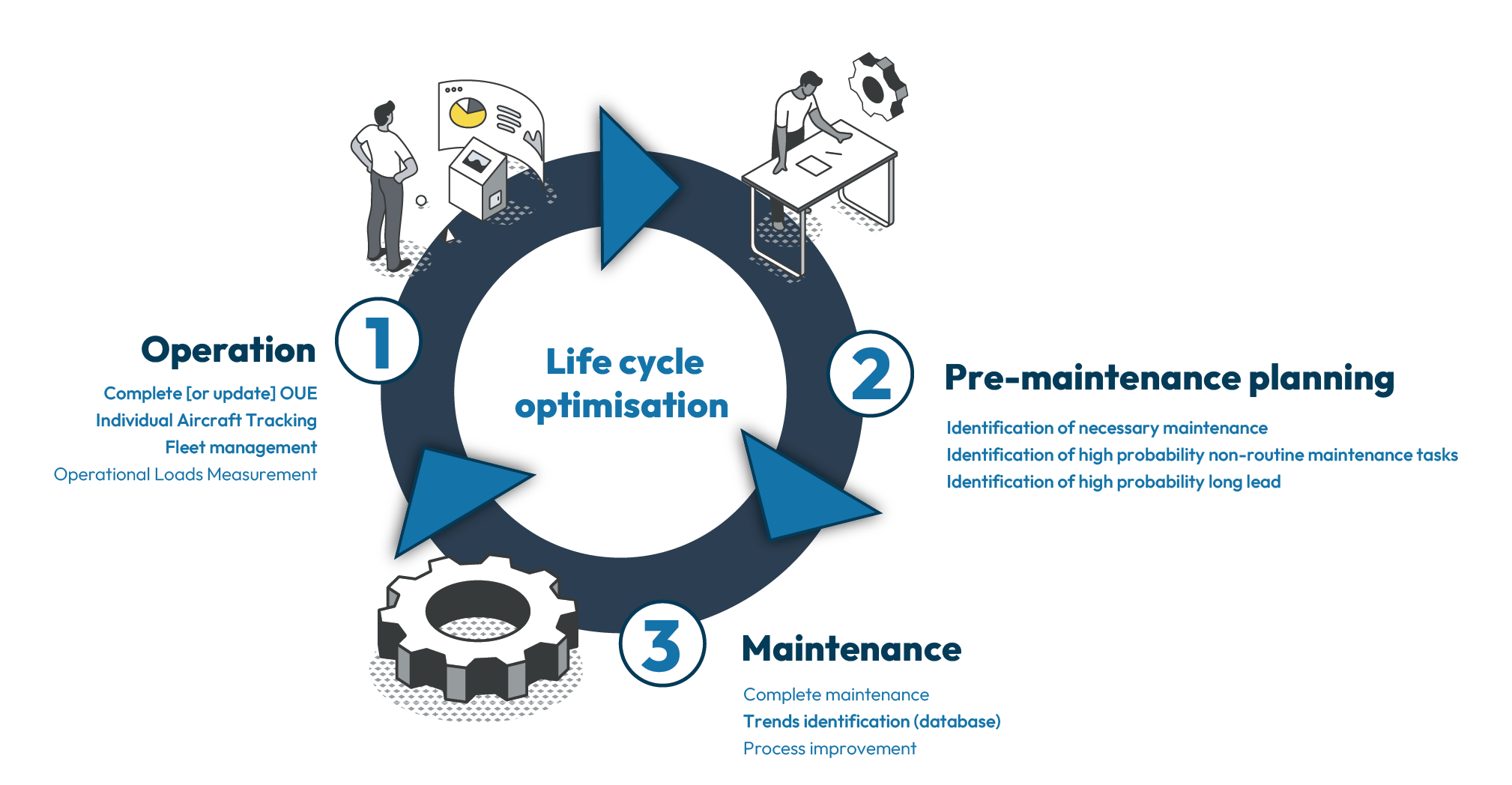
Trend identification – drawing on maintenance and FRACAS data to identify recurring issues, anticipate likely non-routine work and improve the planning of future maintenance inputs.
Marshall can provide Fleet Intelligence as an information and advisory service, or use its outputs directly to inform maintenance and engineering work undertaken by our own teams. Working alongside our Part 21J design and Part 21G production organisations allows recommendations to be translated efficiently into practical action.
Operational Usage Evaluation is a defined process for understanding how the way a C-130 fleet is flown affects the rate at which fatigue life is consumed. It captures, prepares and analyses flight data, comparing actual usage patterns with a baseline provided by Lockheed Martin. Lockheed Martin Service Bulletin 82-788 advises operators of legacy C-130 aircraft to undertake OUE.
The resulting outputs include aircraft life expressed in Equivalent Baseline Hours and usage severity factors. Since important C-130 structural lifespans and inspection intervals are expressed in these terms, an accurate and current OUE provides a stronger basis for deciding when maintenance or engineering action is required.
OUE can help operators predict likely emergent work and complex procedures, identify long-lead parts in time for planned procurement and avoid scheduling maintenance earlier or later than necessary. It can also support more informed fleet management where aircraft or sub-fleets are accumulating fatigue at different rates.
Individual Aircraft Tracking forms part of this approach. Rather than relying solely on a fleet-wide average, IAT applies mission-based usage severity factors on an aircraft-by-aircraft, flight-by-flight basis. This helps identify aircraft experiencing higher loads or unusual usage patterns, allowing inspections and structural life management activity to be prioritised more accurately.
OUE is most effective when reviewed as operating patterns change. Marshall has developed mature tools and processes to prepare data, support the generation or update of an OUE, review outputs with operators and integrate IAT into ongoing fatigue usage reporting. These insights can then be combined with records of non-routine maintenance to improve forecasting and optimise the cycle from operation to pre-maintenance planning and delivery.
Marshall’s dedicated Technical Support Group provides the engineering advice and responsive assistance required to sustain aircraft safely and effectively throughout their operational lives.
Our experienced engineers support continued airworthiness, fleet availability and capability through structural and systems integrity management, fatigue monitoring, fault analysis, reliability-centred maintenance, integrated logistics support, obsolescence management and the development and amendment of technical publications. The team can also develop structural repairs and fleet-wide solutions where issues emerge in service.
Support available includes:
By combining immediate technical support with long-term engineering analysis, Marshall helps operators resolve current issues while building the knowledge needed to reduce future risk, improve maintenance planning and keep aircraft available for the missions they are required to perform.
A C-130 reaching the end of service with one operator does not necessarily reach the end of its useful life. The way aircraft are withdrawn, preserved and prepared can materially affect their future value and the options available to both the existing owner and any future operator.
Marshall can support an orderly withdrawal from service, including removal of operator-specific radios, avionics, mission systems or sensitive equipment, reconciliation of technical records and establishment of a clear aircraft configuration and maintenance status. This provides the baseline needed to decide whether an aircraft should be sold, stored, used as a source of spares or prepared for another role.