Engineering Services
Marshall delivers applied engineering services and technology solutions for a range of governments, aircraft OEMs and aerospace prime contractors.
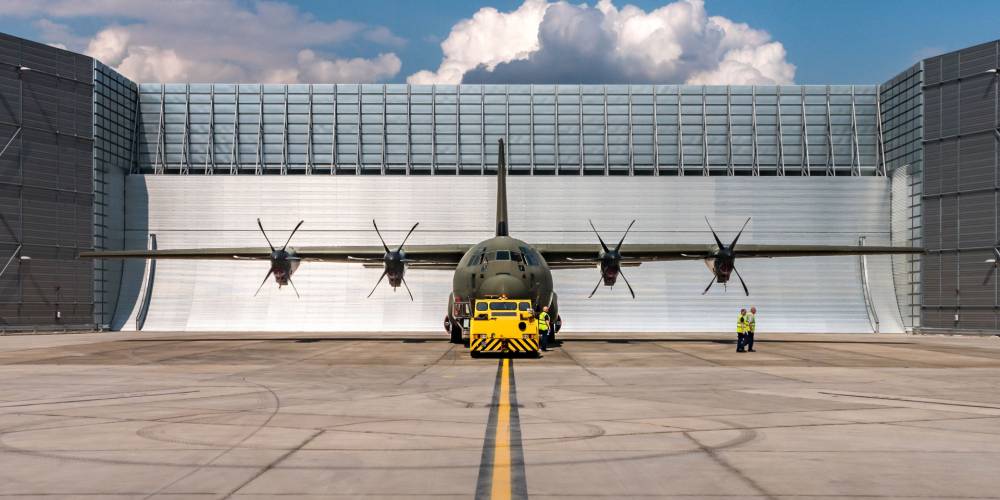
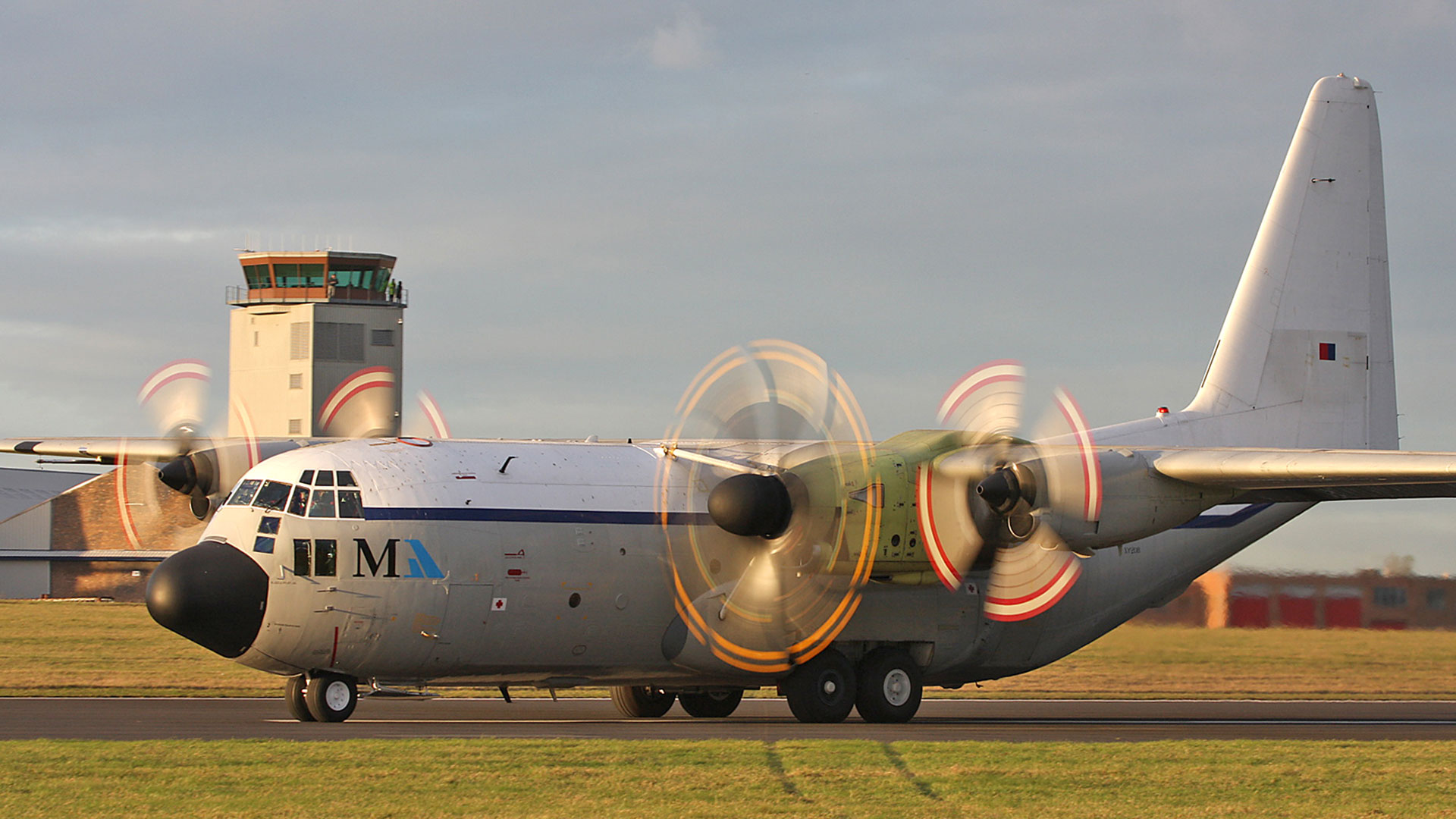
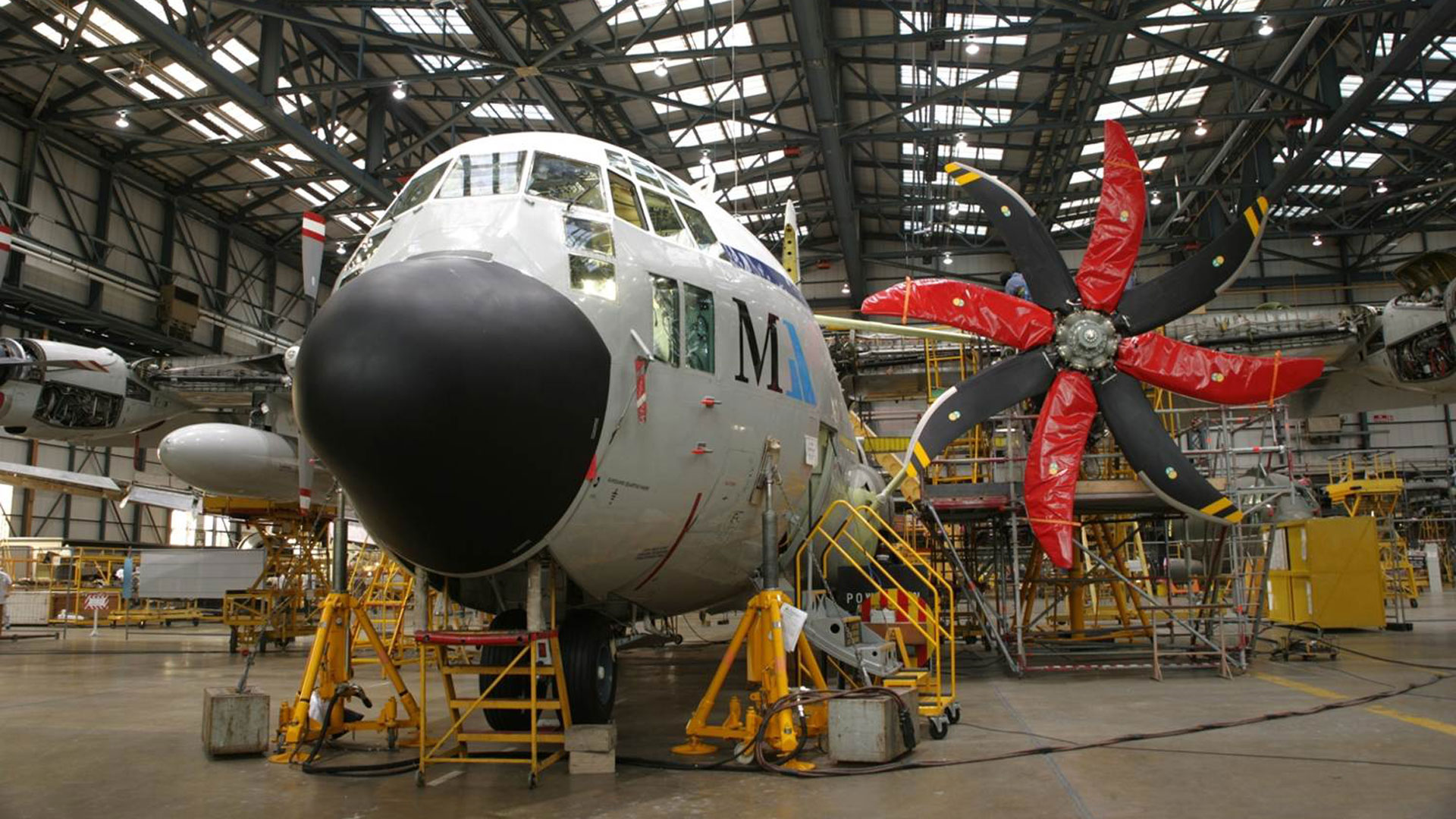
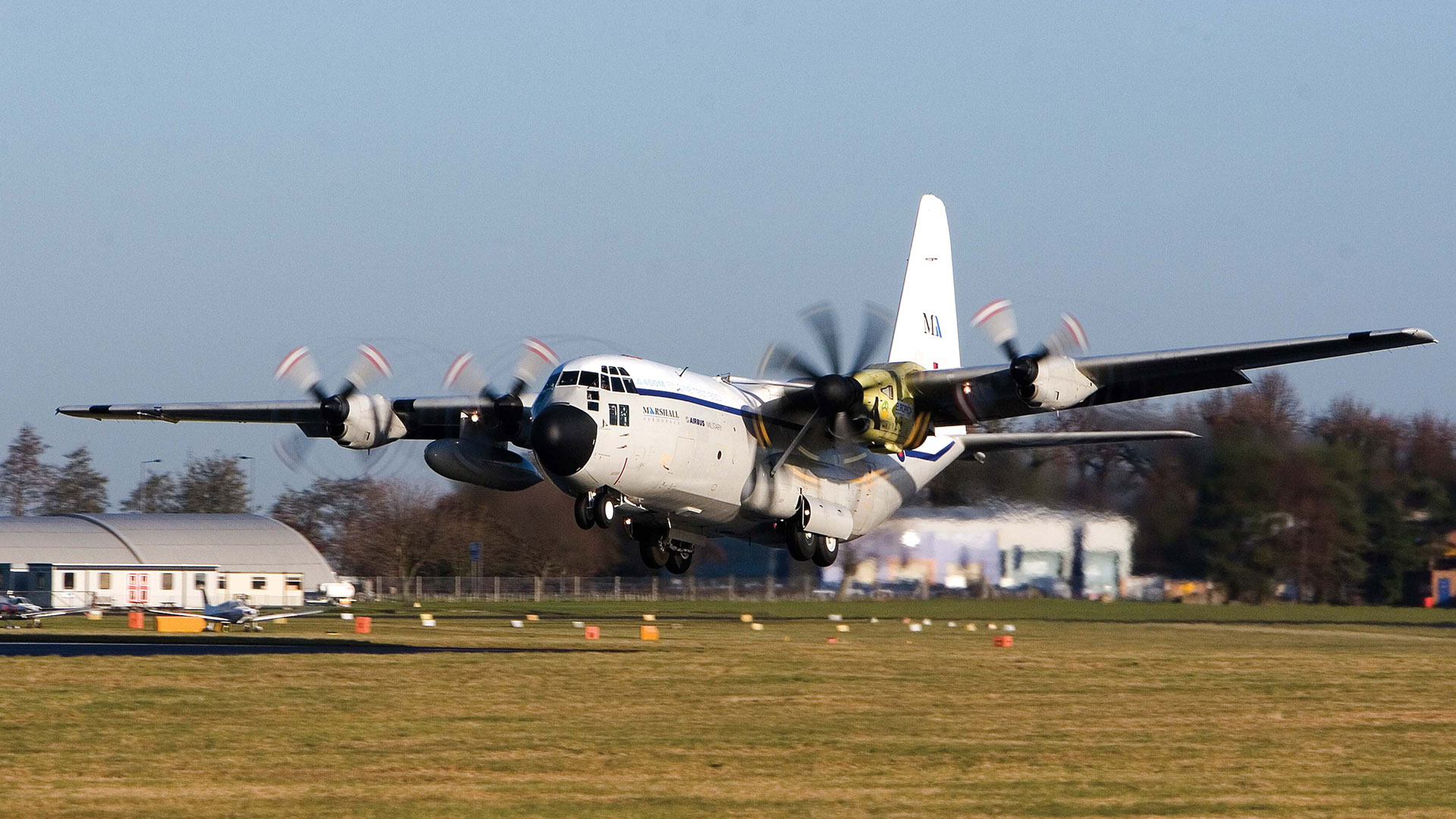
Marshall Aerospace converted a decades-old Lockheed Martin C-130K Hercules into a flying test bed for the Airbus A400M’s groundbreaking and unusually powerful engine-propeller combination.
The programme required extensive structural, aerodynamic, systems and flight-test engineering, including the integration of an abnormally large eight-bladed propeller and a powerplant producing more than twice the shaft horsepower of the aircraft’s standard engines.
After completing a complex programme of design, modification, ground running and flight trials, Marshall delivered vital risk-reduction data that helped Airbus and its propulsion partners reduce risk on one of Europe’s most important military airlift programmes.
The Airbus A400M was conceived as a new-generation military transport aircraft combining tactical flexibility with the capacity, range and performance required for strategic missions. To meet that ambition, the aircraft needed a novel powerplant capable of delivering a step-change in turboprop performance.
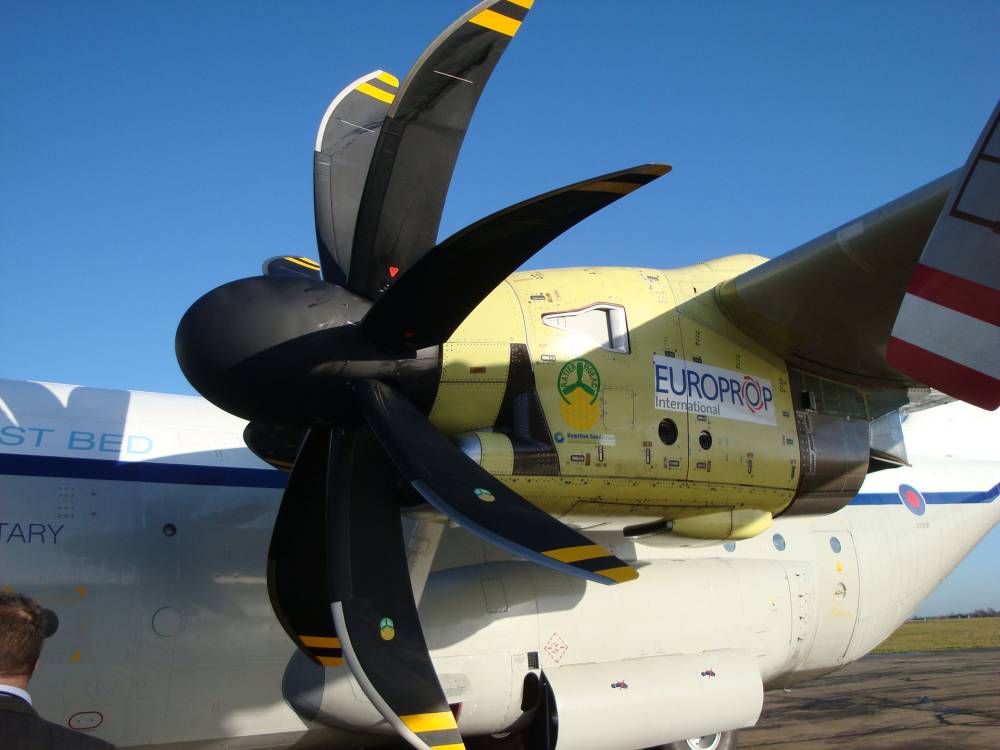
The result was the Europrop International TP400-D6: a new engine for a new aircraft, paired with an eight-bladed Ratier-Figeac propeller. That combination was central to the A400M’s capability, but it also introduced an important development challenge. Airbus needed confidence that the new powerplant could be tested, characterised and matured in a representative flying environment before being installed and flown on the A400M itself.
A flight test bed would provide that opportunity, allowing the engine, propeller, gearbox, nacelle and associated systems to be validated in flight before installation on the A400M.
The Europrop International TP400-D6 powering the Airbus A400M is the most powerful turboprop engine ever to drive a single propeller. Only the Soviet-designed Kuznetsov NK-12 and Progress D-27 boasted higher output, and these were mated to two propellers on the same shaft line.
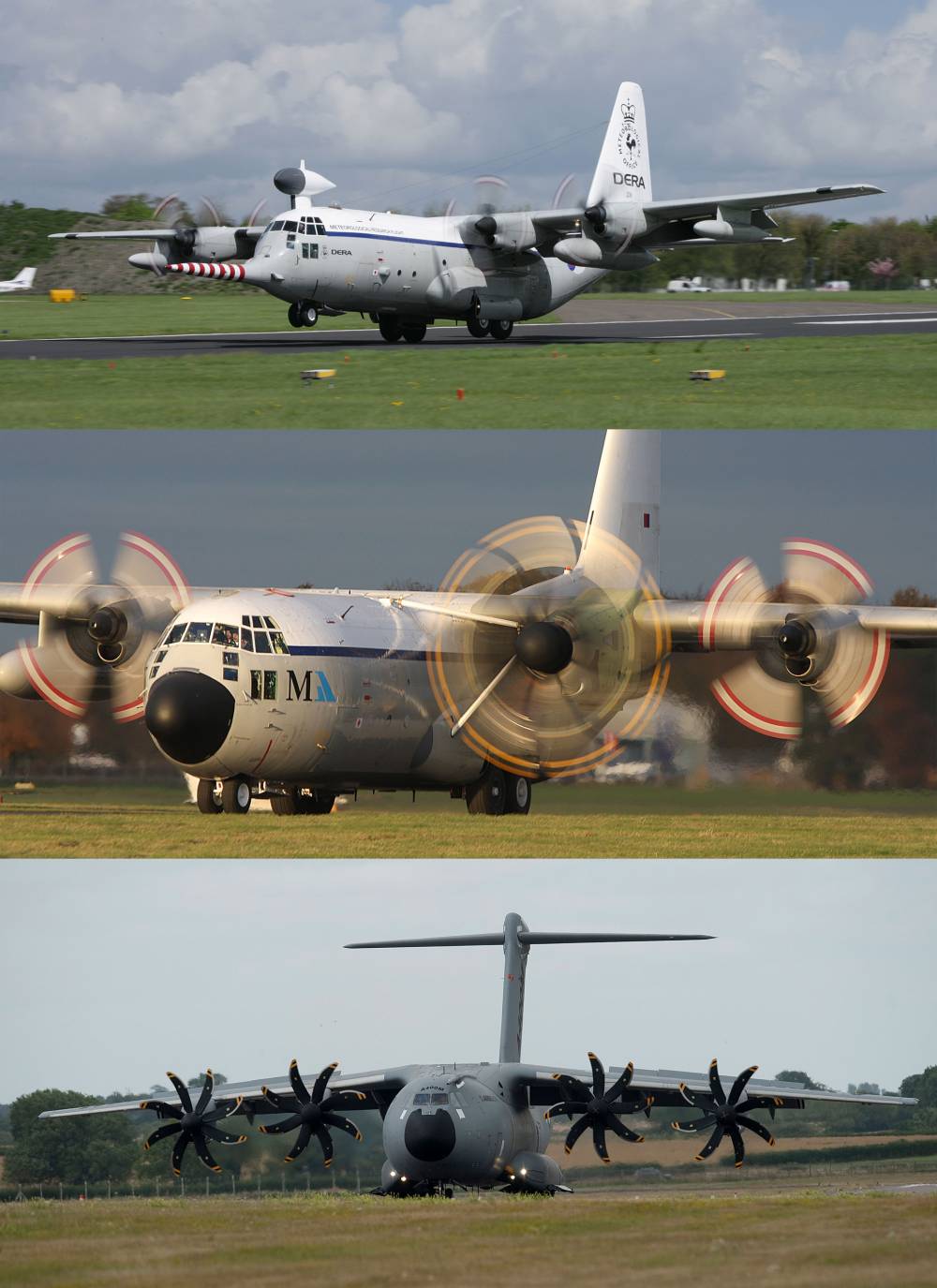
Delivering around 11,000 shaft horsepower, the TP400 combines a three-shaft engine architecture with full-authority digital control and integrated engine and propeller management. Its eight-bladed Ratier-Figeac propeller measures 17 ft 6 in in diameter, substantially larger than the propellers fitted to aircraft such as the C-130.
The result is a propulsion system that gives a large military transport the fuel efficiency, short-field performance and low-speed handling of a turboprop, while still supporting high-speed, long-range operations.
The next challenge was selecting an appropriate host aircraft.
Modern jet airliners are often used as engine test beds, with experimental engines installed on underwing pylons or attached to the fuselage, but this would not be possible for the TP400, a very large turboprop with high power output and a broad operating envelope.
The Lockheed Martin C-130 Hercules, another high-wing turboprop aircraft, was identified as a suitable starting point, after comparison against alternatives including an Airbus A340 development aircraft and Russian-designed platforms.
Marshall was chosen to undertake the work due to its combination of deep C-130 expertise and directly relevant engine test bed experience: roughly a decade earlier, the company had previously supported risk-reduction trials for the Rolls Royce AE 2100 engine and Dowty R391 propeller combination to be used on the newly-announced C-130J Super Hercules. Prefiguring the TP400 programme, Marshall had installed a new-generation powerplant in the No. 2 position of a Royal Air Force C-130K Hercules and conducted extensive ground and flight testing.
Importantly, Marshall could also offer an ideal airframe: XV208 (nicknamed “Snoopy”), a former RAF C-130K that had been converted by Marshall into a one-off C-130 W Mk2 meteorological research platform. The aircraft had spent nearly 30 years investigating weather conditions around the world before returning to Cambridge in April 2005.
The technical hurdles were substantial. The new installation had to accommodate an increase from around 4,500 to 11,000 shaft horsepower, with the propeller diameter increasing from 13 ft 6 in to 17 ft 6 in. That left just 10.5 inches of clearance from the fuselage side, while clearance between the No. 1 and No. 2 propellers was reduced to only 18 inches.
In short, Marshall’s challenge was to create a one-off flight-test environment around a much larger, more powerful, digitally controlled engine, while maintaining the safety and operability of an older C-130 airframe designed for a very different propulsion system.
Marshall signed a contract with Airbus Military in December 2004 and moved into preliminary design review in mid-2005. XV208 returned to Cambridge on 27 April 2005, having logged 11,807 flying hours, and was immediately stripped of its specialist meteorological research equipment before undergoing a major check.
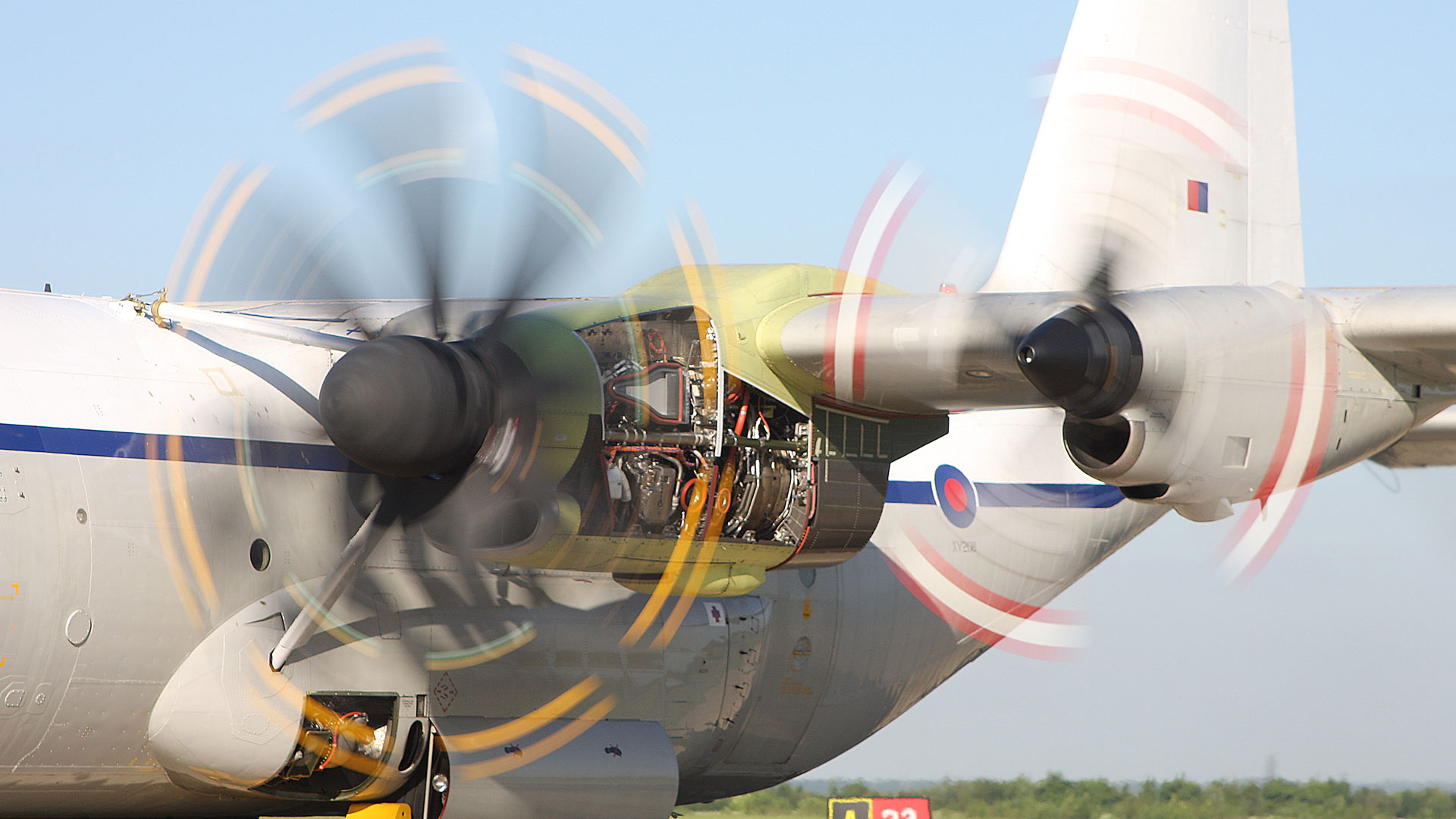
The first engineering priority was the No. 2 engine position. The wing and pylon structure had to be reinforced to carry the new loads generated by the TP400 and its eight-bladed propeller. Marshall strengthened the wing rib aligned with the powerplant, added a new rib immediately outboard, reinforced the upper and lower wing skins, and introduced I-shaped stiffeners to carry additional loads towards the trailing edge. The main spar required significant local strengthening, including steel stiffeners and changes to webs and caps, while the rear spar needed only more limited alteration.
The aircraft also needed protection from the new propeller environment. The larger propeller rotated in the opposite direction from the standard C-130 unit (a setup known as “contrarotation”), which required additional fuselage protection against ice shed from the blades. Local skin thickness was increased and acoustic damping was added internally, with reinforcement near attachments to mitigate cracking from acoustic fatigue.
Marshall also had to address the dynamics of placing a very large, powerful engine and propeller on one side of the aircraft. Before conversion work was fully underway, the airframe was subjected to ground vibration testing to characterise its existing dynamic behaviour. The modified aircraft was then analysed for flutter and vibration risk. Having identified several issues, Marshall introduced two bracing struts between the fuselage and pylon, incorporating dampers and load-limiting mechanisms to control the interaction between the pylon and airframe.
To help counter the marked asymmetry, a starboard underwing tank filled with water supplied the dynamometers and assisted lateral balance. The test engine also did not provide normal aircraft services, so electrically driven hydraulic pumps were installed in the wing trailing edge. Accessory gearbox drives were adapted for dynamometers, with provision for bleed air to load the engine. The larger nacelle also required two additional fire bottles.
The aircraft’s systems architecture also had to be transformed. Since the TP400 is a FADEC (Full Authority Digital Engine Control) engine, Marshall faced the challenge of integrating a modern digital powerplant into a 40-year-old analogue aircraft. Communications between the FADEC and aircraft systems required an advanced aircraft-based ethernet approach, while new radios and other regulatory upgrades were also introduced.
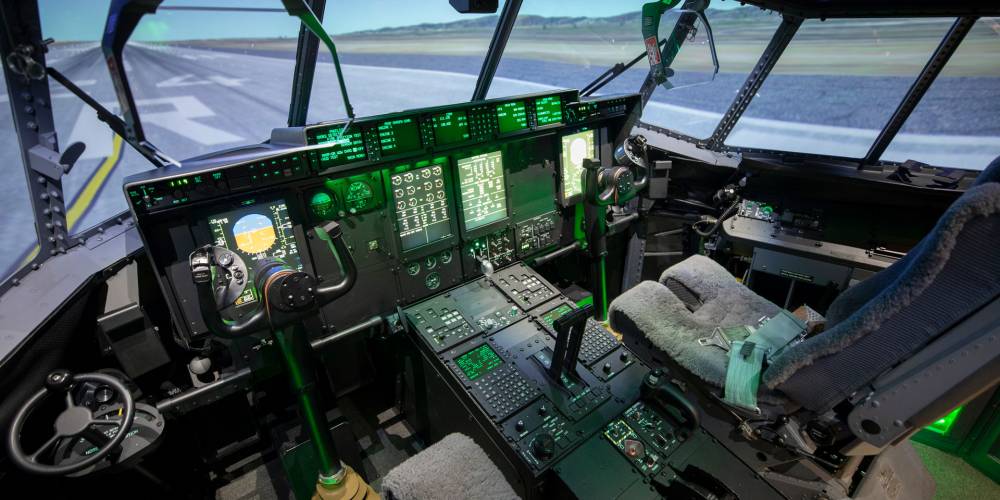
Marshall developed cockpit modifications including a supplementary throttle quadrant, a master lever for test-engine start and shutdown, additional displays, new warning logic and a thrust comparator to support early matched-power flying.
Inside the cabin, Marshall created a flying engineering laboratory. Eight observer stations were installed to allow Marshall, Airbus, EPI and Ratier-Figeac personnel to monitor the aircraft, engine and propeller during flight. The forward station accommodated observers advising the flight crew; other consoles were dedicated to engine instrumentation and propeller monitoring. The layout had to balance access, parachute use during higher-risk testing, and lateral weight distribution in an already asymmetric aircraft.
Instrumentation was central to the programme. In total, roughly 700 parameters required continuous observation, while as many as 3,000 parameters were measured, recorded and processed over the course of the programme. XV208 also required extensive rewiring, including around 30 km of new cabling, half of it for test instrumentation.
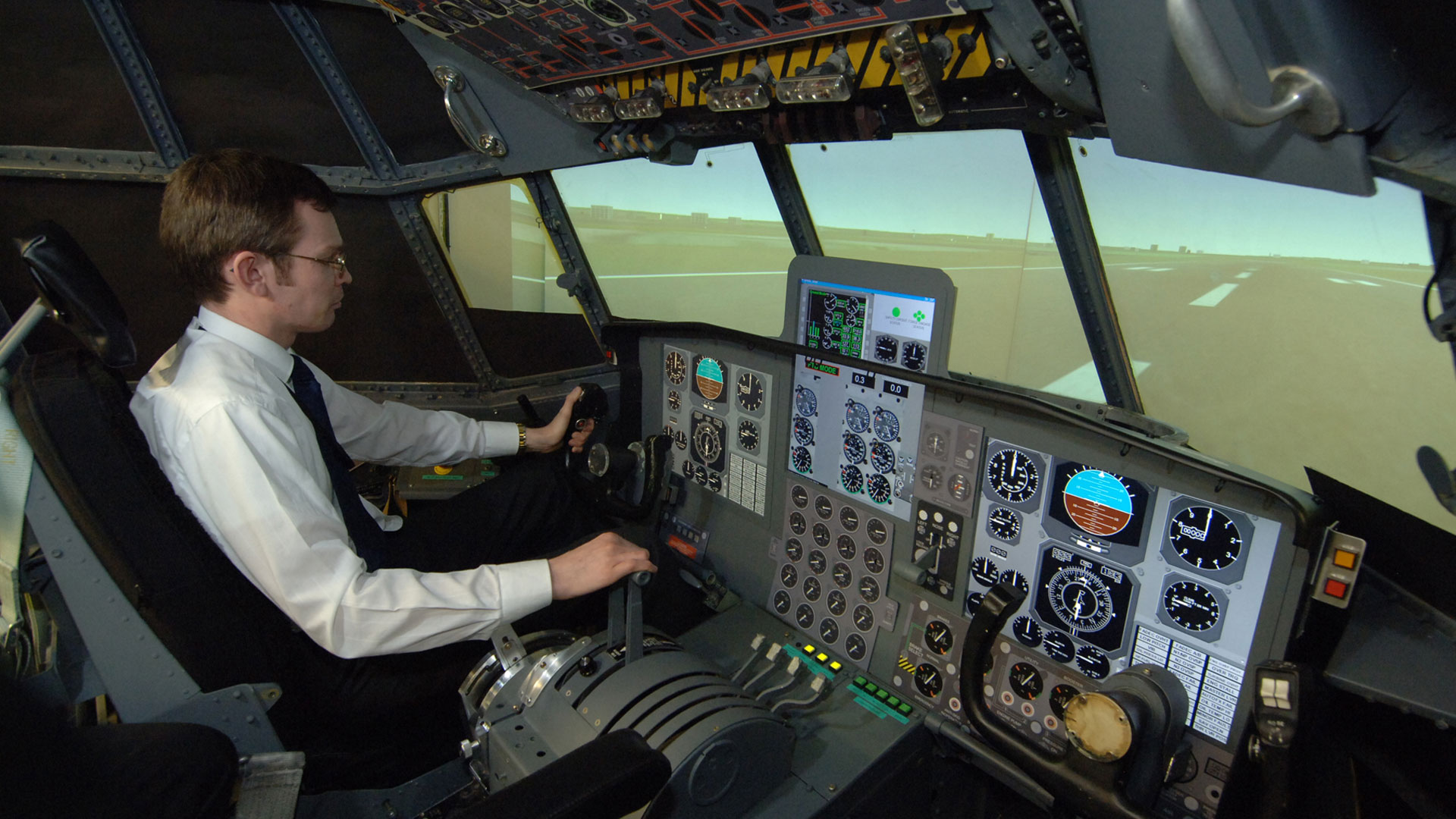
Marshall also built a dedicated simulator at Cambridge using an available C-130 nose section, as the operational RAF C-130 simulator at RAF Lyneham could not be modified for the test-bed configuration. Delivering this required Marshall to develop and validate a six-degree-of-freedom model of the C-130, and then adapt it using data from Airbus to support pilot familiarisation and test-point validation.
By March 2008, the TP400 flight-test-bed engine was ready to begin ground vibration testing. On 10 June 2008, the TP400 was run for the first time on Marshall’s C-130 at Cambridge, beginning a ground-test phase used to assess engine start behaviour, nacelle ventilation, intake distortion, noise, vibration and propulsion-system interfaces.
The first flight followed on 17 December 2008, with Marshall test pilots Iain Young and Mark Robinson at the controls. The aircraft took off from Cambridge at 10:44 local time and flew for one hour and 15 minutes. During the flight, the team assessed basic handling and TP400 response at power settings equivalent to the maximum power generated by each of the aircraft’s standard T56 engines, in several configurations, at speeds up to 165 knots and altitudes up to 8,000 ft.
This was a major step in the programme, opening the flight envelope and providing the first opportunity to assess the engine and propeller combination in an airborne environment.
Marshall completed the final phase of TP400 flight trials on 30 September 2009. By then, the aircraft had flown 18 test flights, accruing approximately 55 flight hours and more than 110 hours of TP400 engine running time, including ground testing.
The programme provided Airbus Military and its propulsion partners with vital data ahead of the A400M’s own first flight. It helped validate the engine and propeller combination, reduce integration risk and build confidence in the propulsion system before it was flown on the aircraft for which it had been designed.
That contribution was recognised externally. Following the first flight in December 2008, Rafael Tentor, then Head of the A400M programme, described the successful completion programme as “a significant step” for the A400M, adding that the flights would provide confidence in both the engine and the wider propulsion system.
1975 〰️ Marshall Aerospace converts RAF C-130K XV208 into a one-off C-130 W Mk2 meteorological research aircraft (nicknamed “Snoopy”).
April 2001 〰️ XV208 is taken out of service after its meteorological research career.
December 2004 〰️ Marshall signs a contract with Airbus Military to carry out risk-reduction flight trials for the TP400-D6 engine.
April 2005 〰️ XV208 returns from RAF Boscombe Down to Marshall in Cambridge.
Mid-2005 〰️ Programme passes preliminary design review (PDR), enabling detailed design to proceed.
2005–2006 〰️ Marshall strips specialist meteorological equipment from XV208, and conducts a major check and initial structural modification work.
Spring 2008 〰️ TP400 engine installed in the No. 2 engine position; test consoles, instrumentation and flight-deck modifications progressed; ground vibration testing completed.
June 2008 〰️ First ground runs of the TP400 engine and Ratier-Figeac propeller installed.
December 2008 〰️ First flight of the TP400 test bed from Cambridge; flight lasts one hour and 15 minutes.
September 2009 〰️ Marshall completes the final phase of flight trials.
December 2009 〰️ A400M makes its first flight.
The A400M itself made its first flight on 11 December 2009. Marshall’s risk-reduction work was complete by then, and the flight test bed programme had delivered what it set out to provide: an airborne bridge between ground testing and the A400M’s own flight-test campaign.
For Marshall, the programme remains one of the most technically challenging projects ever undertaken by the company. It demonstrated why Marshall was selected in the first place: no other organisation could offer a similar combination of C-130 platform knowledge, modification capability, flight-test experience and end-to-end programme management.
From a former meteorological research aircraft to a one-off engine flying test bed, XV208’s second transformation at Cambridge played a significant role in helping one of Europe’s most important military transport aircraft programmes move from development risk towards operational reality.