
Maintenance, repair and overhaul (MRO)
Marshall is recognised as a global authority on maintenance, repair and overhaul (MRO) for the Lockheed Martin C-130 Hercules, having built unrivalled experience on the platform since 1966.
When the Bangladesh Ministry of Defence opted to acquire five C-130J Super Hercules aircraft from the UK, the challenge went far beyond a simple sale.
To turn these ex-RAF airlifters into a turnkey tactical fleet ready for new missions under new operational requirements, each airframe had to be decommissioned, stored, modified and maintained before entering into service.
Working closely with both the UK seller and Bangladeshi buyer, Marshall Aerospace supported the programme from end to end, demonstrating why few organisations can match the company’s record of taking C-130 aircraft out service with one operator and managing entry into service with another.
For the Bangladesh Ministry of Defence, the five former RAF aircraft represented a proven, cost-effective route to quickly ramp up the nation’s tactical airlift capability.
But the value of that decision depended on much more than transfer of ownership: the aircraft had to be decommissioned from their previous service, assessed in detail, prepared for resale, preserved in storage, tailored for a new operator and supported through entry into service.
Bangladesh was also moving to the C-130J for the first time. That meant the programme also needed to help the Bangladesh Air Force build familiarity, capability and self-reliance on a new platform from the outset.
“Marshall will play a key role in ensuring that our C-130J fleet is available to enable us to fulfil our operational commitments. We need them to make the missions possible.”
Bangladesh Air Force representative, 2019
Marshall Aerospace had supported the Royal Air Force's Hercules fleet for decades, beginning in 1966 on the legacy C-130K and later extending to the C-130J. That depth of platform expertise (and indeed, thorough knowledge of the individual airframes) shaped the company's role throughout the Bangladesh acquisition, when Marshall supported both sides of the programme.
Working with the UK Ministry of Defence and DE&S, the company supported the resale process, helping prospective buyers inspect aircraft and review their technical records. For Bangladesh, Marshall delivered the engineering, maintenance, training and sustainment support needed to bring the aircraft into effective service.
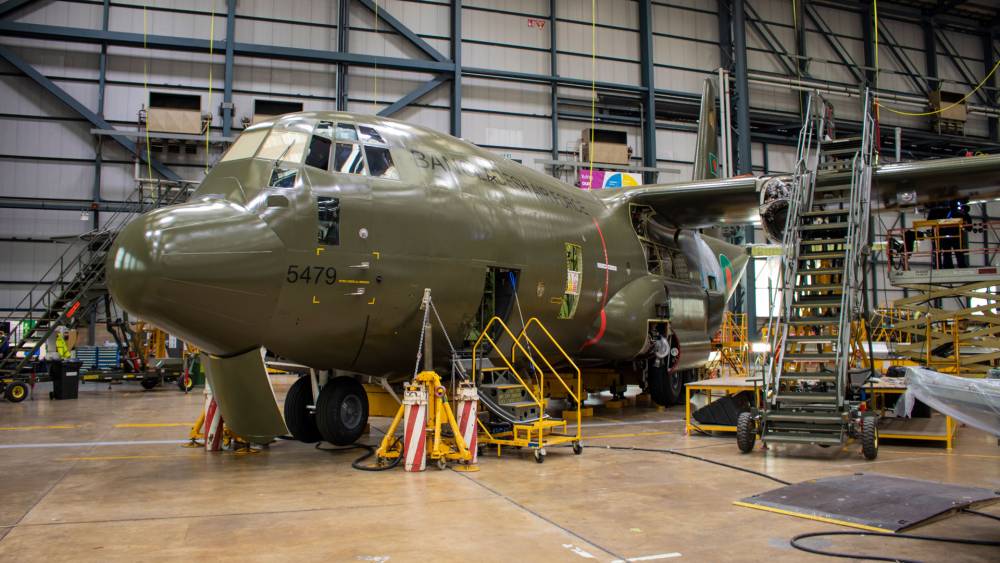
Marshall's work began before handover. First, the company carried out detailed tasks needed to retire the aircraft correctly from RAF service. This included removing RAF-specific radios and avionics, electronic warfare equipment, proprietary systems and legacy mission software.
While not required for the Bangladesh Air Force programme specifically, Marshall has previously prepared aircraft for storage and maintained them in preserved condition in the window between disposal and acquisition—in some cases for multiple years.
The process involves inhibiting engines and the auxiliary power unit, protecting aircraft openings and carrying out regular anti-deterioration activity to control moisture and prevent degradation. This includes routine venting or dehumidification, humidity checks, replacement of silica gel where needed, and recurring inspections covering shrouded areas, fuselage condition, landing gear servicing and lubrication.
As the purchase approached finalisation, the Marshall team brought the aircraft into hangars for customer access and inspection, supported technical and operational pre-purchase queries, and provided all relevant logbooks and technical status. Upon purchase, the company also managed the transfer of associated technical paperwork and data for the aircraft.
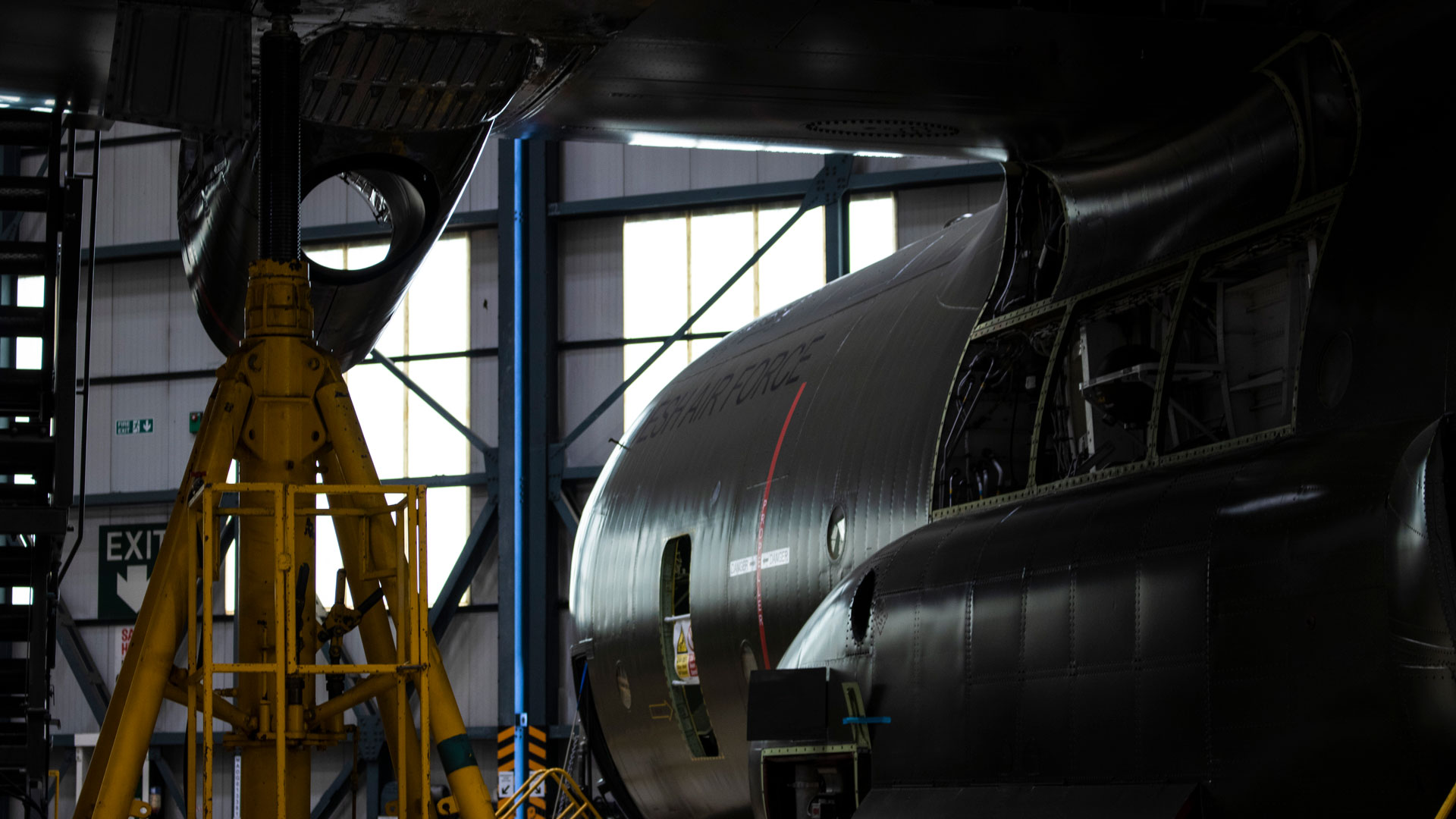
Once the transfer of title had completed, Marshall carried out depth maintenance and modification work to prepare the aircraft for service with their new operator. This included safety and survival equipment such as life raft systems, fire extinguishers and oxygen bottles, as well as avionics changes and passenger transport enhancements, all specifically aligned to Bangladesh's requirements.
Just as importantly, Marshall’s maintenance package was designed to create a useful maintenance-free window after delivery, giving the Bangladesh Air Force time to build operational experience before major scheduled work became due. Achieving that required detailed discussions about inspection requirements, maintenance philosophy and the maintenance window the customer wanted after handover. The result was a risk-based approach tailored to how Bangladesh intended to use the fleet.
“The work performed here in Cambridge will directly support us in fulfilling our operational commitments for decades to come.”
High Commissioner of Bangladesh to the UK and Ireland, 2024
Entry into service was about more than aircraft availability on day one. The package also included pilot and technician training, spares, tooling and in-country support to help the Bangladesh Air Force build sovereign capability around their new platform. That practical, embedded support reduced risk in the early years of operation and helped the fleet move quickly from handover into meaningful service.
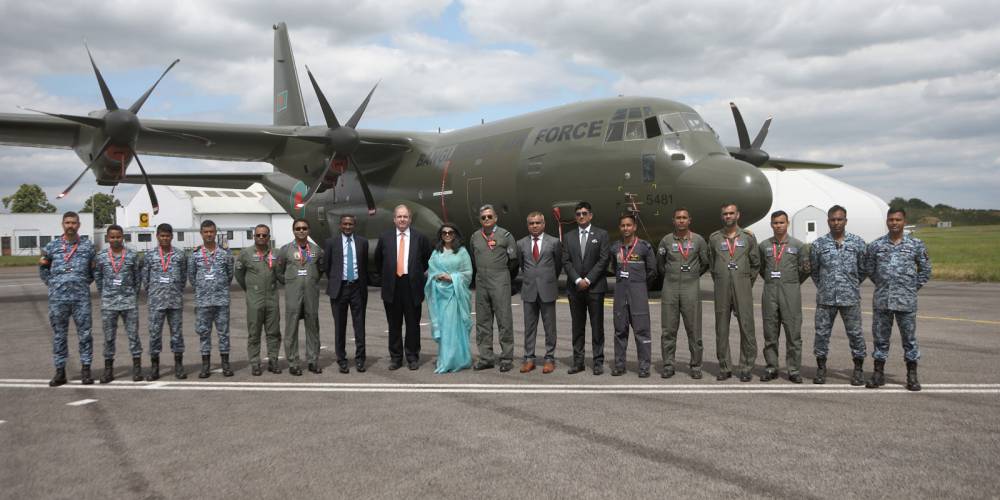
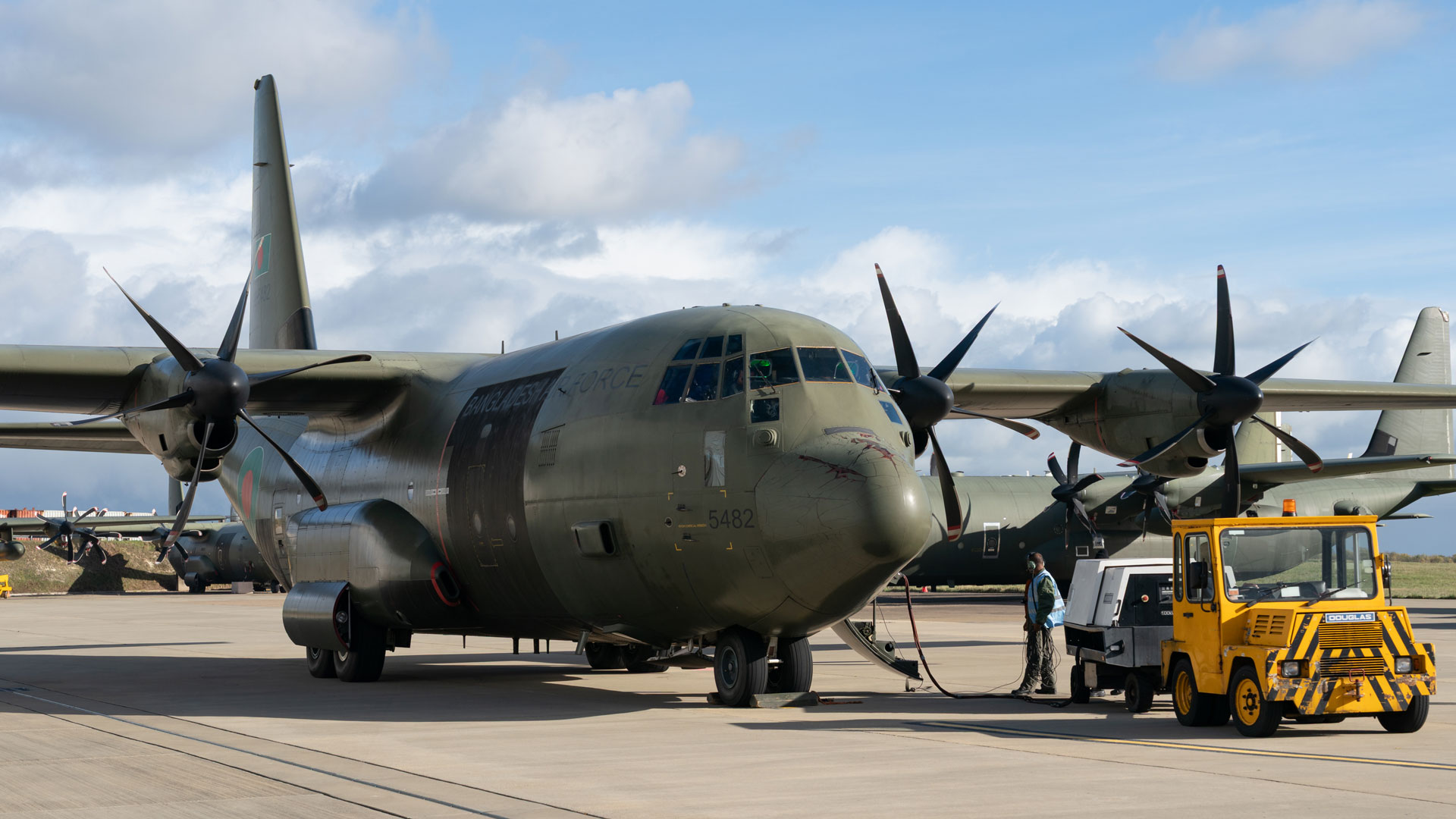
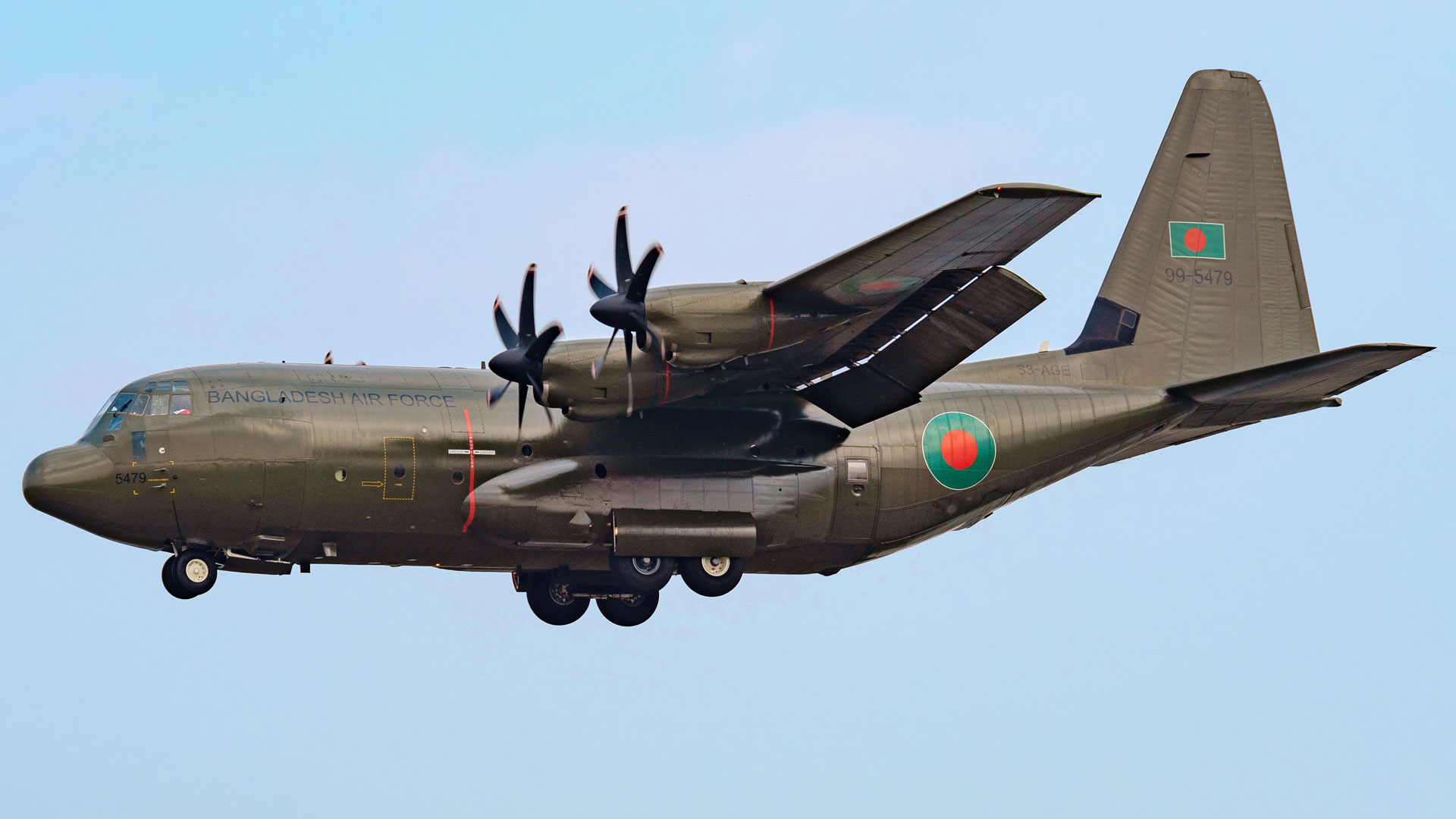
The first aircraft was delivered to Dhaka in August 2019 after Marshall had completed entry-into-service work in Cambridge. In June 2024, Marshall handed over the fifth and final aircraft, bringing the Bangladesh Air Force's C-130J fleet to full strength.
May 2018 - Marshall Aerospace signs an initial support contract to help introduce the first ex-RAF C-130J aircraft into service with the Bangladesh Air Force, covering maintenance, logistics, engineering, modifications, training and in-country support.
June 2019 - Following Bangladesh's acquisition of additional aircraft, Marshall signs a second multi-year contract extending support across the full C-130J fleet.
August 2019 - The first aircraft is delivered to Dhaka after completion of maintenance and modification work in Cambridge.
2019-2024 - Marshall continues decommissioning, storage, maintenance, modification, training, spares support and in-country technical assistance across the fleet.
June 2024 - The fifth and final aircraft is handed over, bringing the Bangladesh Air Force's C-130J fleet to full strength.
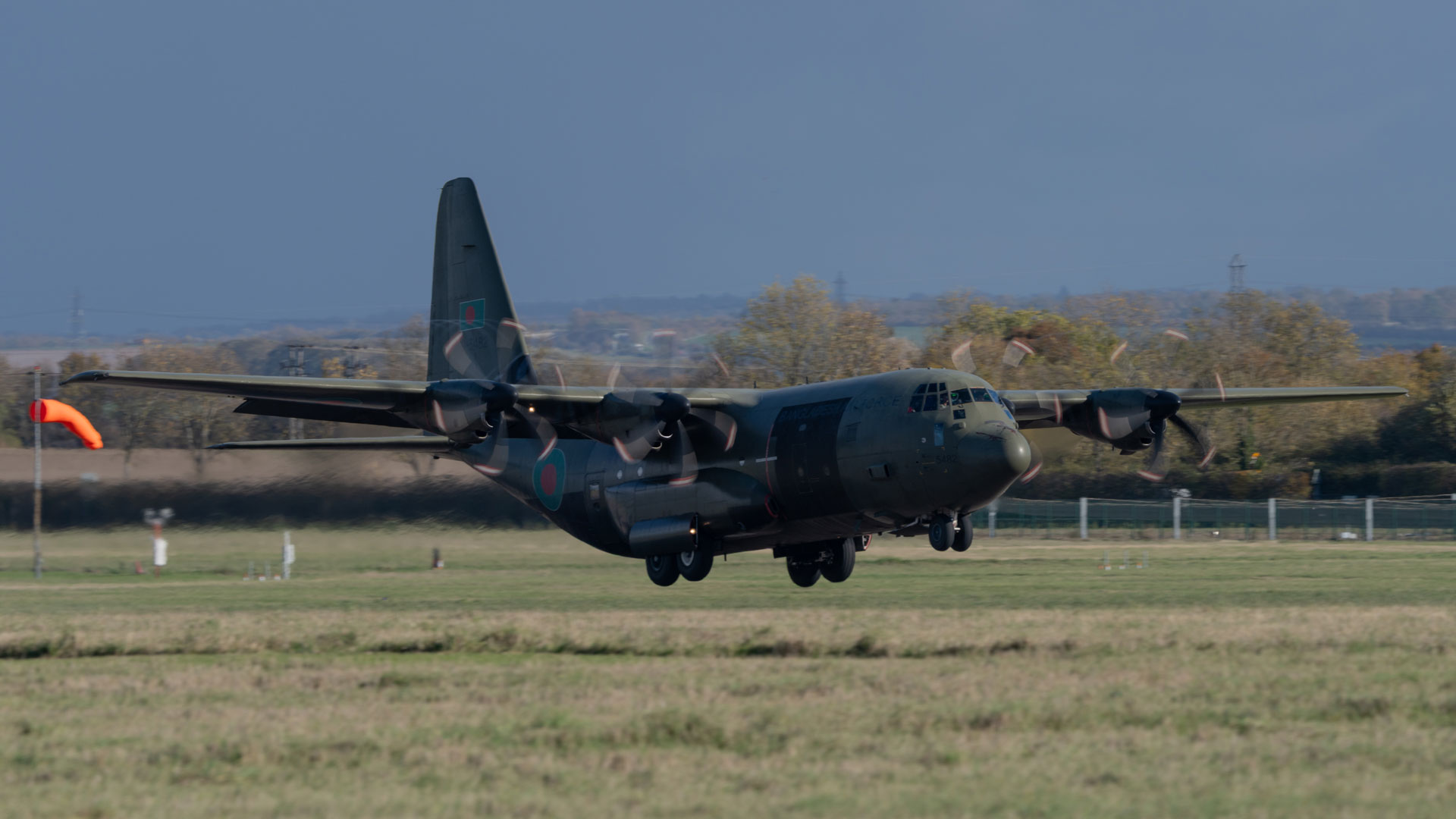
Bangladesh now uses its C-130J fleet as a versatile tactical airlift capability, supporting the movement of personnel, equipment and supplies, while also contributing to humanitarian relief, medical-response activity and overseas tasks. That reflects both the original programme intent and Marshall Aerospace’s work to prepare the aircraft for those roles, including capability enhancements such as MEDEVAC support and passenger transport configuration.
Through this programme, Marshall demonstrated a specialist strength that is increasingly relevant across the global Hercules community.
The same core capability has been evident when Marshall supported the entry into service of Fat Albert, the Blue Angels' C-130J, and in its ongoing work to support entry into service for 12 Turkish Air Force C-130J aircraft (supporting the UK government as Principal Retail Partner). In each case, the value lies not only in engineering excellence on the aircraft itself, but in managing the transition from previous operator to new operator - from decommissioning and preparation to delivery, training and sustained service.