Modernisation programmes
Having replaced almost every major structural component on the C-130 without OEM involvement from Lockheed Martin, Marshall occupies a leading position in the non-standard repair and replacement market.
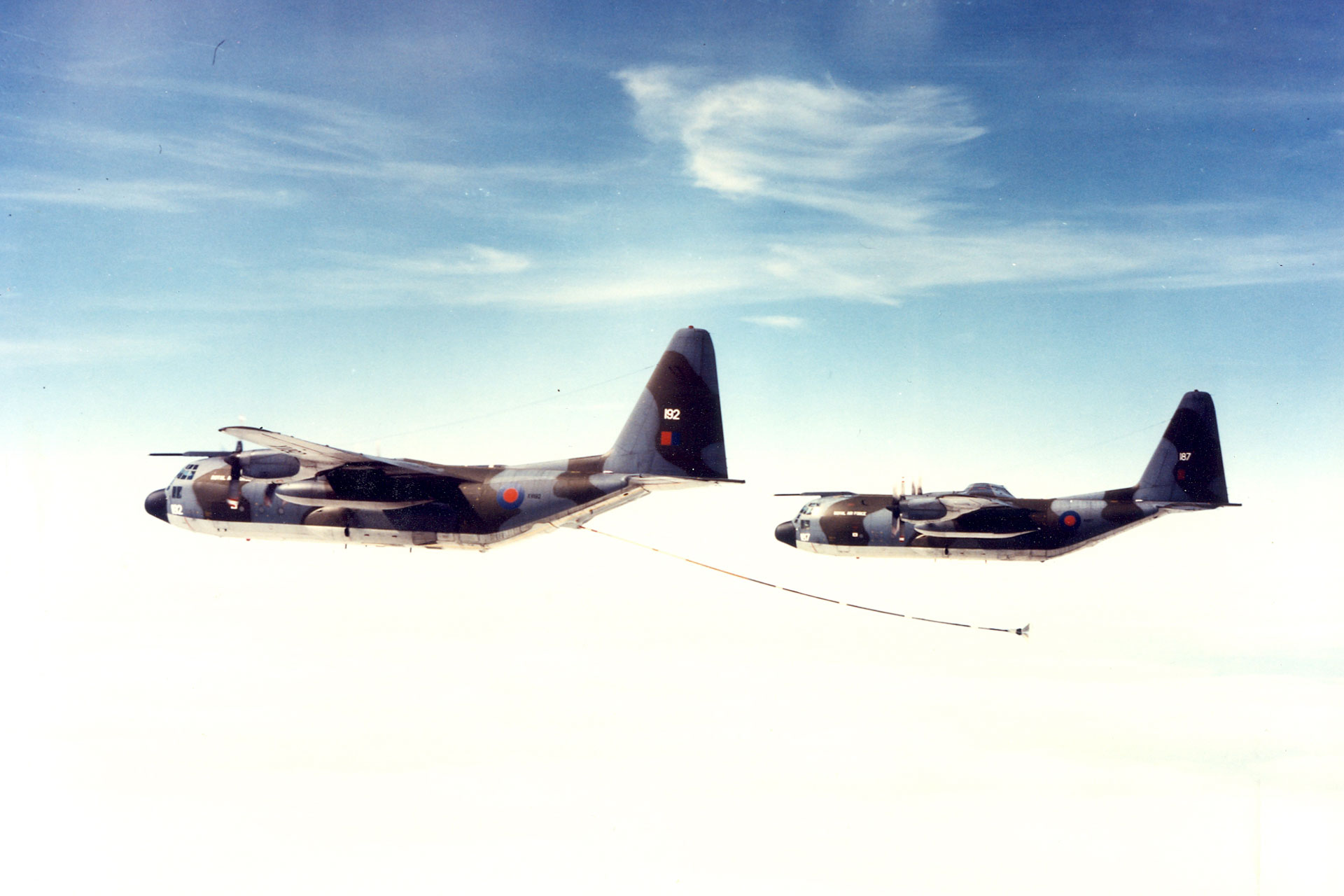
By the mid-1970s, the Royal Air Force’s (RAF) 66-strong C-130K Hercules fleet had started to experience growing fatigue and wear across major wing structures, requiring a fleet-level engineering response.
Marshall Aerospace developed a comprehensive refurbishment programme that amounted to a controlled rebuild of the aircraft’s outer wings. Major structures were disassembled, inspected, renewed, modified and reassembled using specialist tooling and in-house manufacturing capability.
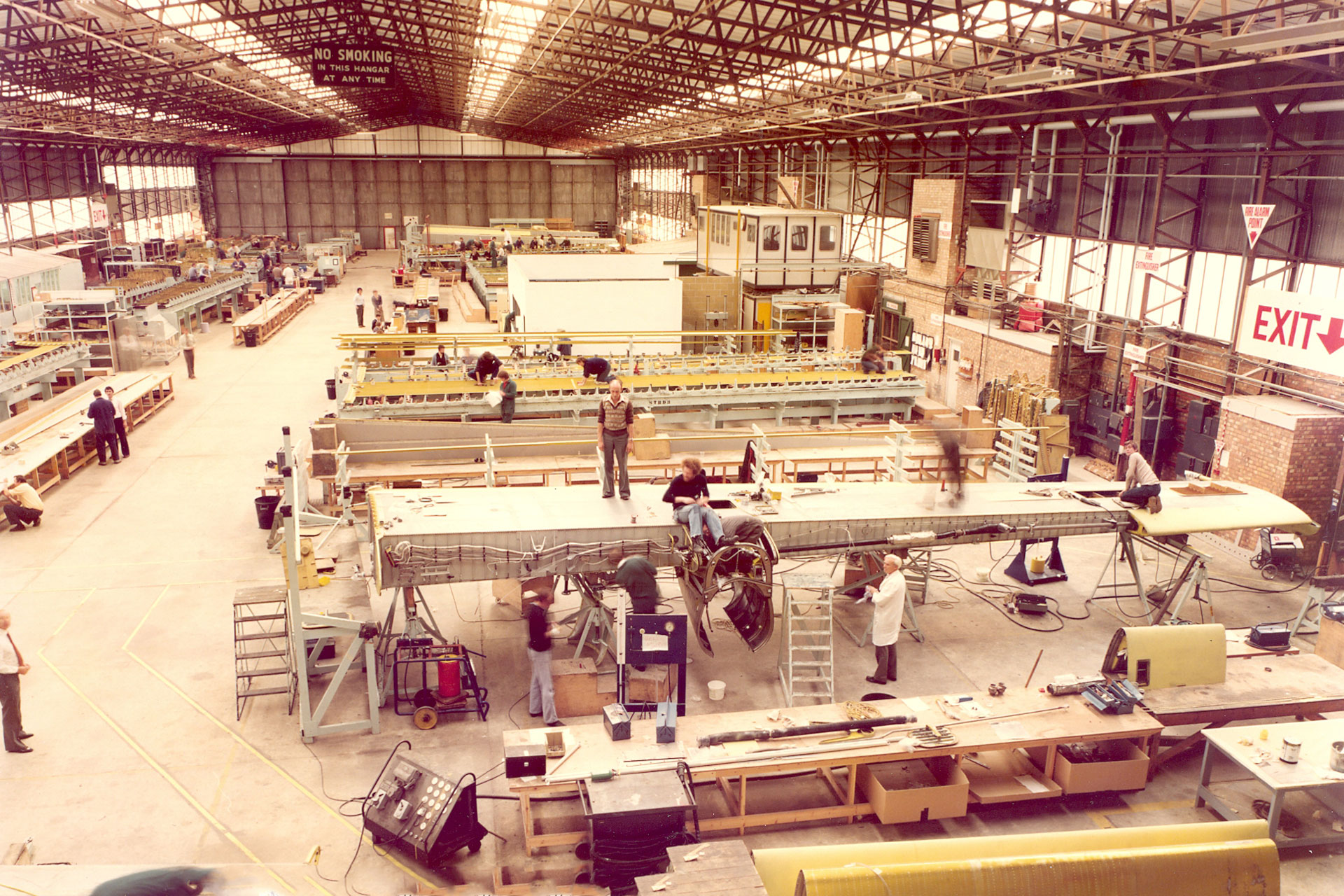
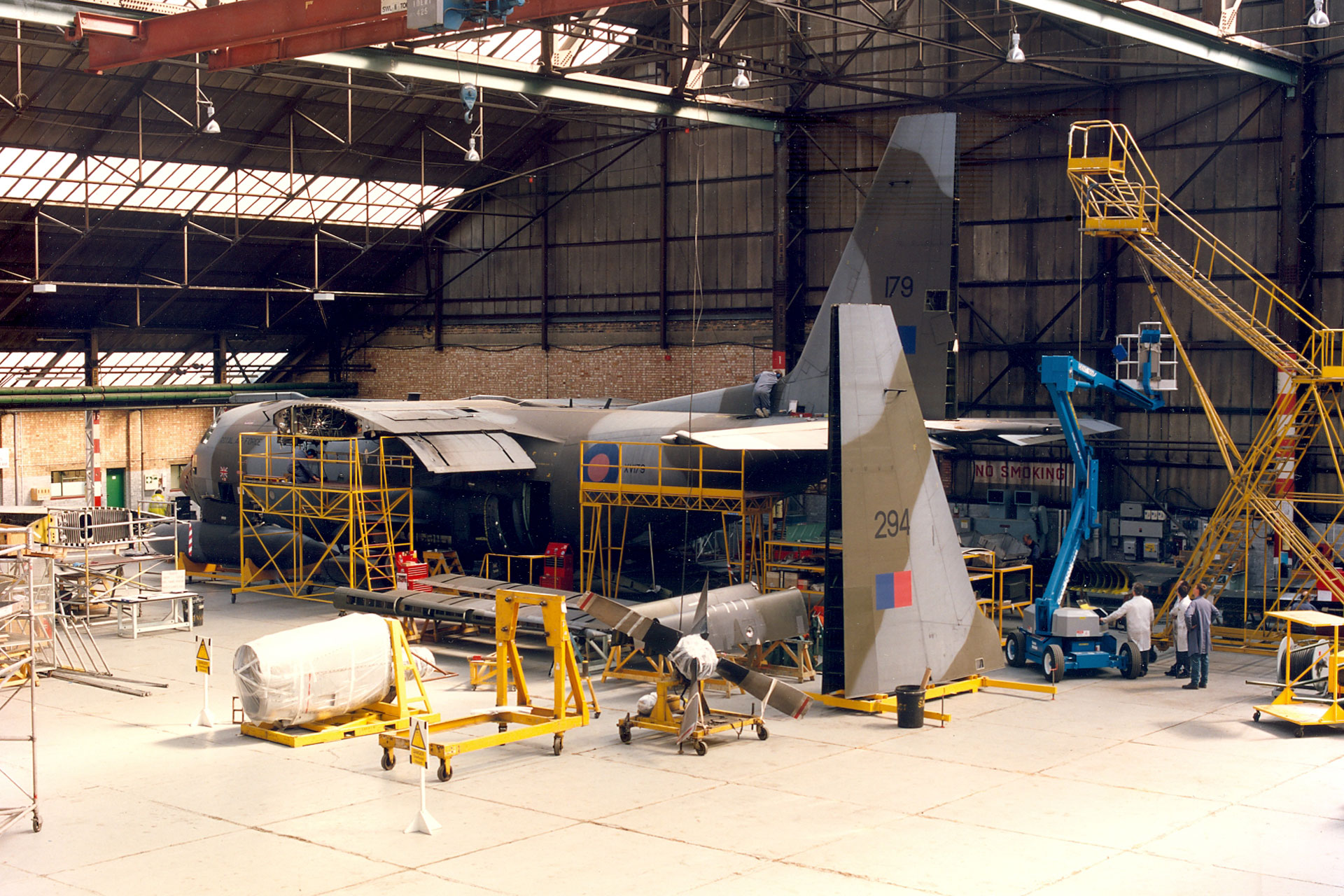
Delivered over five years, the work occupied a whole hangar at Cambridge and helped extend the life of a critical airlift fleet. The programme demonstrates a capability that remains highly relevant to Marshall today: carrying out deep structural work on complex aircraft, including the removal, renewal and rebuilding of major assemblies to original production-standard tolerances.
It also became an early example of the sustainment approach that continues to define Marshall’s approach to major engineering challenges: working as a single team to combine platform expertise, structural knowledge, heavy maintenance skill and manufacturing capabilities.
The RAF’s C-130K Hercules fleet was being used intensively across a wide range of demanding military and humanitarian roles. The operational profile of the aircraft resulted in prolonged loads on the aircraft’s outer wing sections, wing joints and associated structural fittings.
The requirement from the RAF was to restore confidence across major structural assemblies on a fleet that remained central to the UK’s airlift capability. However, replacing 66 sets of outer wings outright would have entailed significant cost, lead-time and aircraft availability implications. The RAF and Marshall opted for a more effective route: a complete refurbishment and rebuild programme covering all the existing outer wing structures, working through the fleet several aircraft at a time.
Despite the logistical and cost advantages, this programme called for a challenging combination of structural engineering, inspection, specialist tooling, manufacturing, repair embodiment, configuration control and return-to-service assurance within a single integrated workflow.
Marshall’s outer wing programme occupied an entire hangar at Cambridge and was completed methodically over five years. The sheer scale reflected the depth of the work: outer wing assemblies were stripped back, held in specialist tooling, modified, rebuilt and prepared for return to service.
To minimise the impact on aircraft availability while working on every aircraft in the 66-strong fleet, the RAF purchased three C-130H outer wing sets from Lockheed. These were temporarily swapped onto individual aircraft when their turn came for outer wing refurbishment. Once the refurbishment was complete, the temporary outer wings were removed and used on the next aircraft.
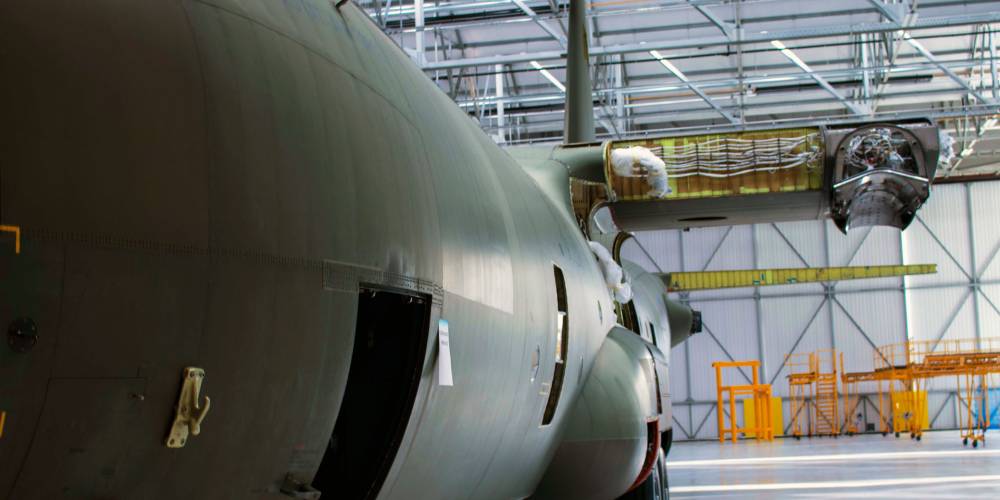
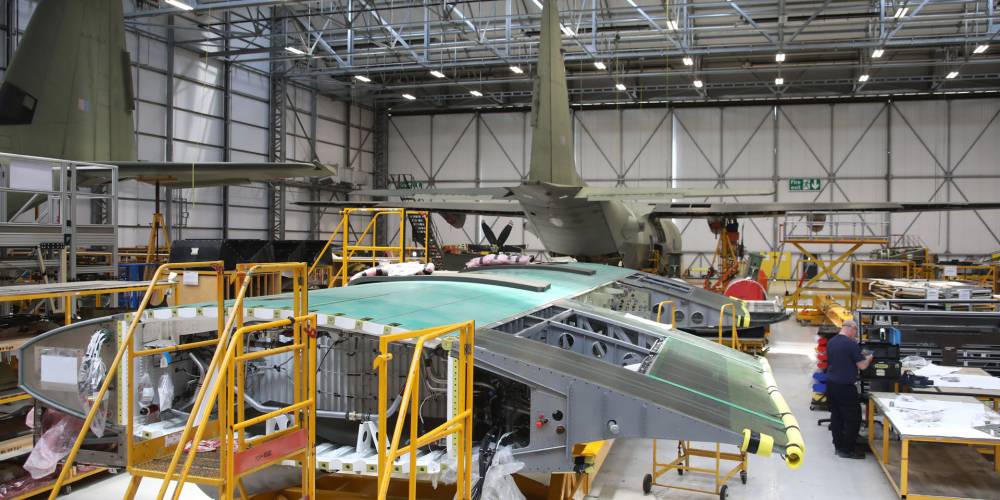
Refurbishment involved complete disassembly of the outer wing structures, renewal of key wing planks and incorporation of 14 fatigue modifications. It also addressed critical structural areas including the outer wing sections, wing joints and engine truss mounts.
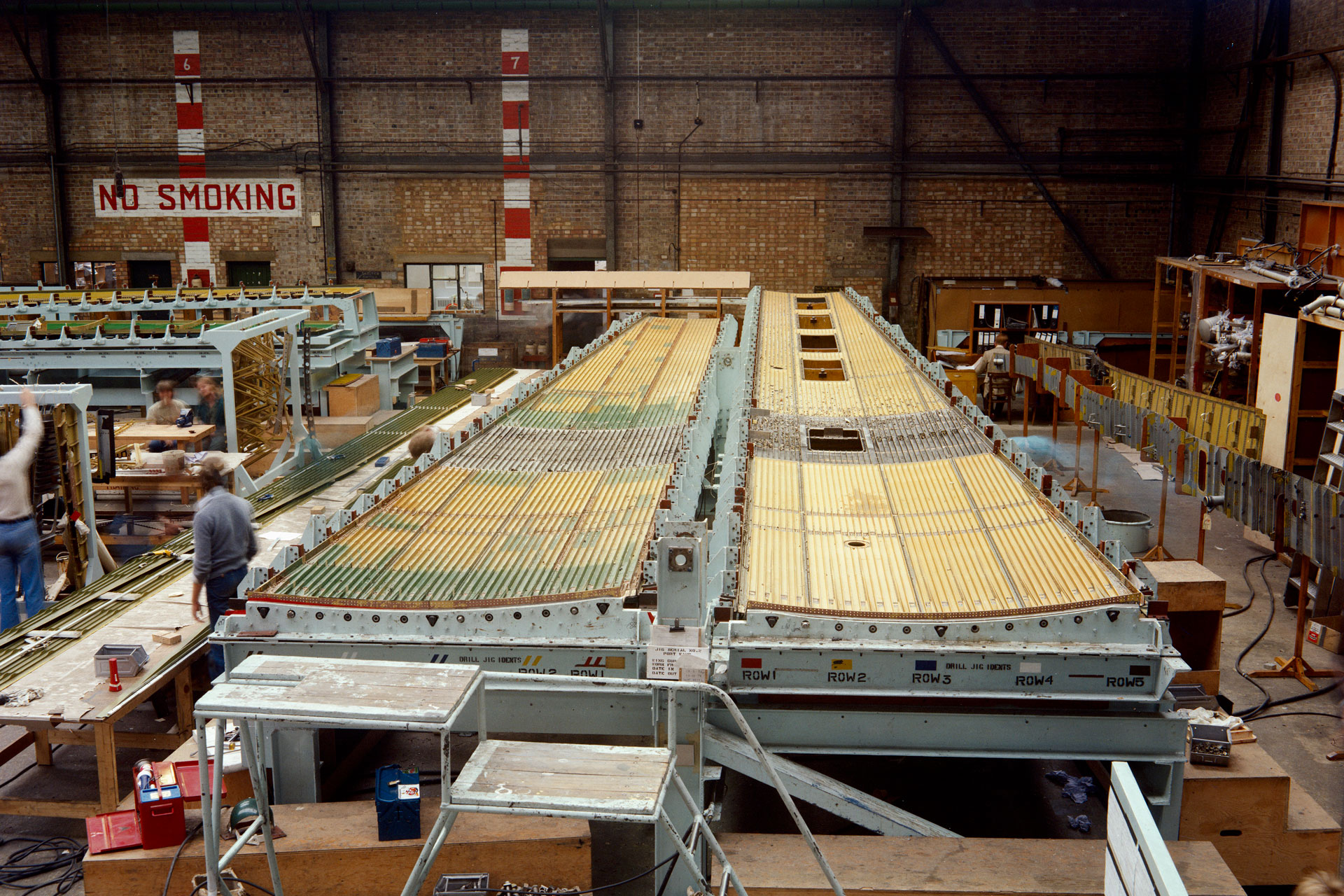
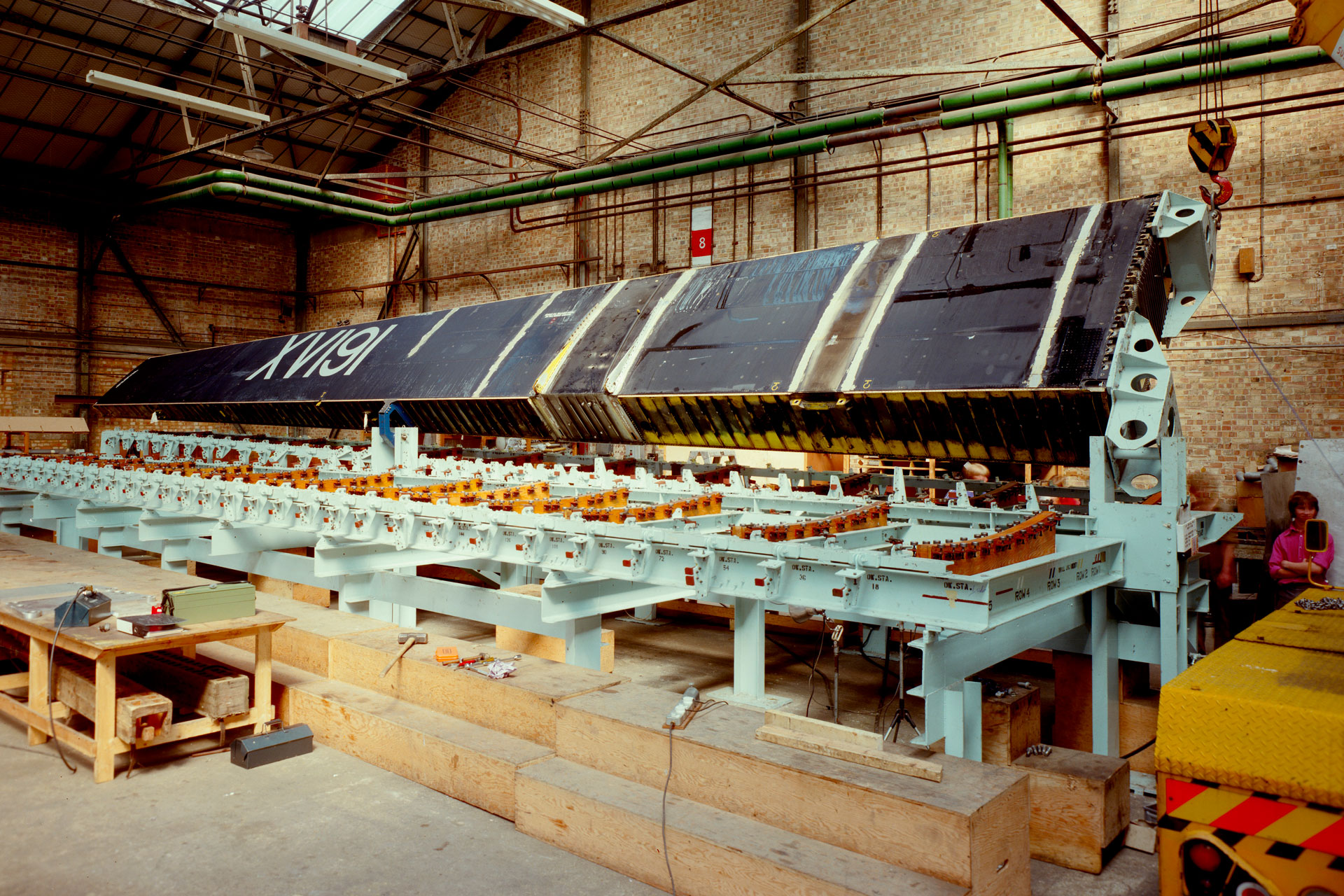
To complete the programme accurately and consistently, Marshall used specialist jigs to support, align and turn the wing structures during rebuild. A total of six jigs were kept in use throughout the programme, allowing three outer wing sets to be worked on concurrently. These precision fixtures allowed the wings to be stripped, worked on, reassembled and checked with a level of control more usually associated with aircraft production than routine maintenance.
The programme drew directly on Marshall’s in-house manufacturing and structural capability. Teams were able to fabricate, renew and integrate major structural elements while maintaining the correct profile, alignment and configuration of the wing. The work brought together skilled production trades with design engineering, non-destructive testing, technical record management, repair embodiment, paint and finishing, and aircraft return-to-service activity.
All of these capabilities remain central to Marshall’s aircraft sustainment work today. Across the C-130 and other complex military aircraft, Marshall continues to deliver structurally intensive programmes that involve opening up major sections of an aircraft, removing and replacing primary structure, manufacturing and integrating new parts, rebuilding major assemblies and returning aircraft to demanding OEM-defined and customer-approved standards.
Marshall’s outer wing refurbishment programme provided the RAF with a practical alternative to complete outer wing replacement. By rebuilding the existing structures, renewing critical components and incorporating fatigue modifications, Marshall significantly extended the useful life of the C-130K fleet while reducing the cost, disruption and downtime associated with wholesale replacement.
The programme gave the customer a structurally robust route to continued operation, supporting the Hercules in the demanding roles for which it was valued: tactical airlift, deployed operations, humanitarian relief, specialist military tasking and long-range support.
This kind of structural sustainment depends on knowing how an aircraft is built, how it has been used, where its structure is most exposed to fatigue, and how major assemblies can be renewed and rebuilt with confidence.
For Marshall, the outer wing refurbishment programme was a precursor to the kind of complex structural work it continues to deliver today: deep maintenance, centre wing box activity, major fuselage modifications, mission-system upgrades and life-extension programmes that require aircraft to be opened up, rebuilt and returned to service with the assurance expected of a trusted C-130 support partner.