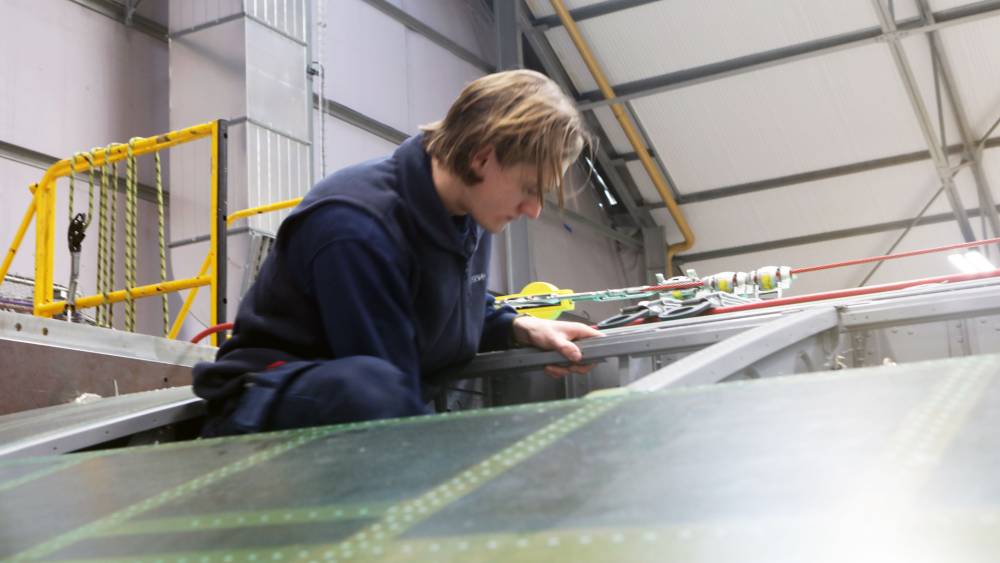
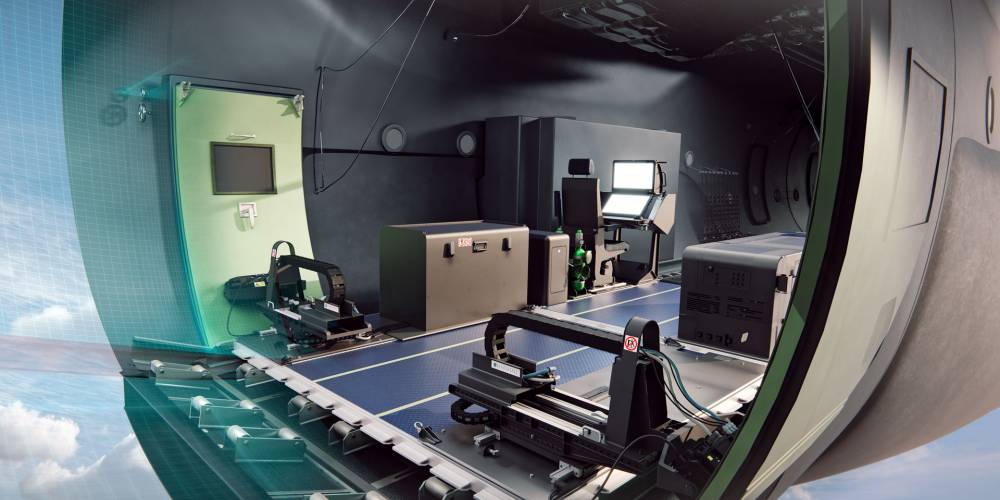
To accommodate the unique risks and requirements of centre wing box replacements, Marshall has developed a range of bespoke tooling and equipment, alongside a set of detailed operational instructions. The Marshall team works with certified Lockheed Martin kits containing all necessary parts and components, in addition to service bulletins outlining the step-by-step stages for performing the replacement.
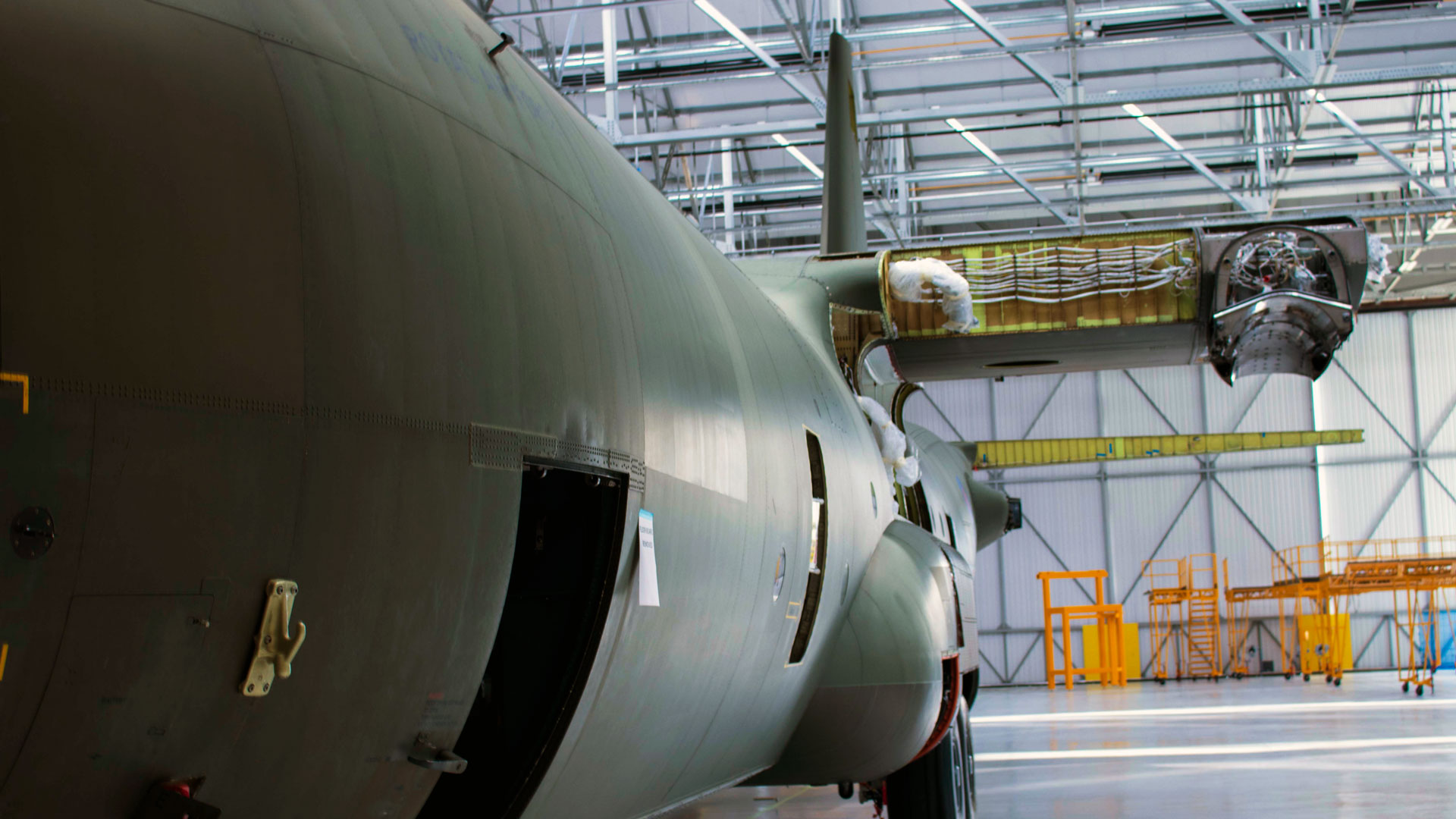
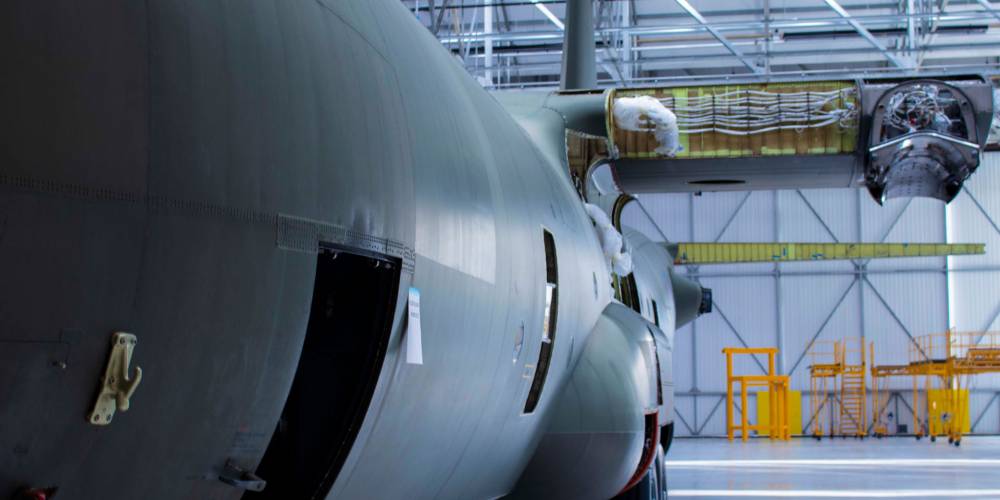
The first step in the process is to remove the components that surround the centre wing box on the aircraft, including the outer wings, fuel systems, internal wiring and plumbing. At this stage, the aircraft will be jacked, levelled and tied down to the hangar floor to support the airframe; this is a vital step in the process to avoid structural damage such as twisting to the fuselage.
Once this is all in place and the airframe is secure, the old centre wing box can be detached and removed vertically using an overhead crane. Precision is particularly important during the removal, as any incorrect or sudden movements can cause significant damage to the aircraft.
All of the interfacing structures and main frames are then thoroughly inspected for damage while the centre wing box is no longer in place. Any issues can be addressed and rectified before moving onto the next stage in the process.
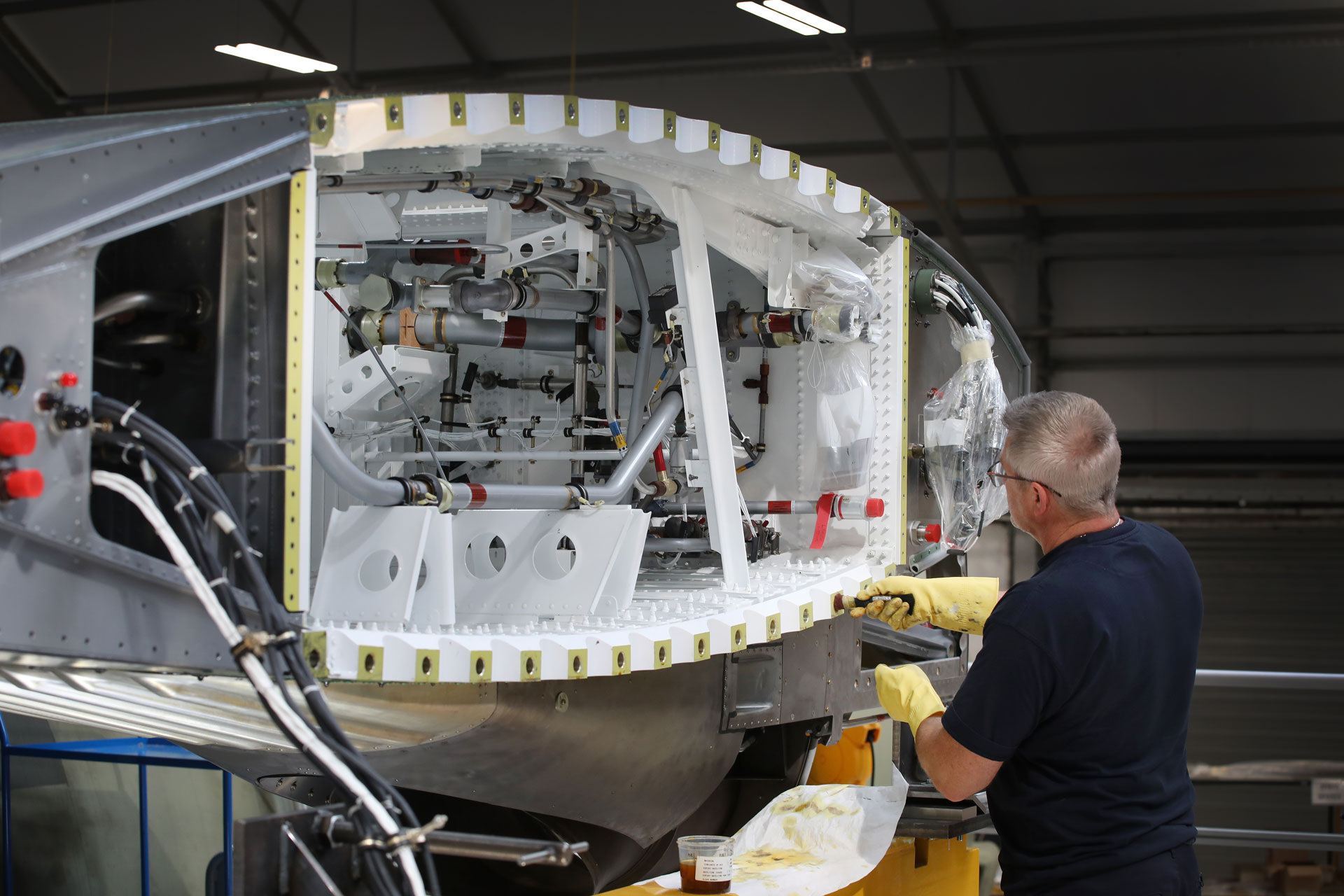
At the same time, existing 20-year-old plumbing (including auxiliary fuel tank cells) and wiring within the centre wing box will be replaced, with removed hardware/components available for servicing and retention as spare stock. Likewise, the team replaces the centre-wing-to-fuselage fairings with removable fairings to reduce the time taken by future maintenance and inspections.
The new enhanced service life centre wing box is now ready to be positioned and installed, and the internal wiring, plumbing and surrounding components are reconnected.
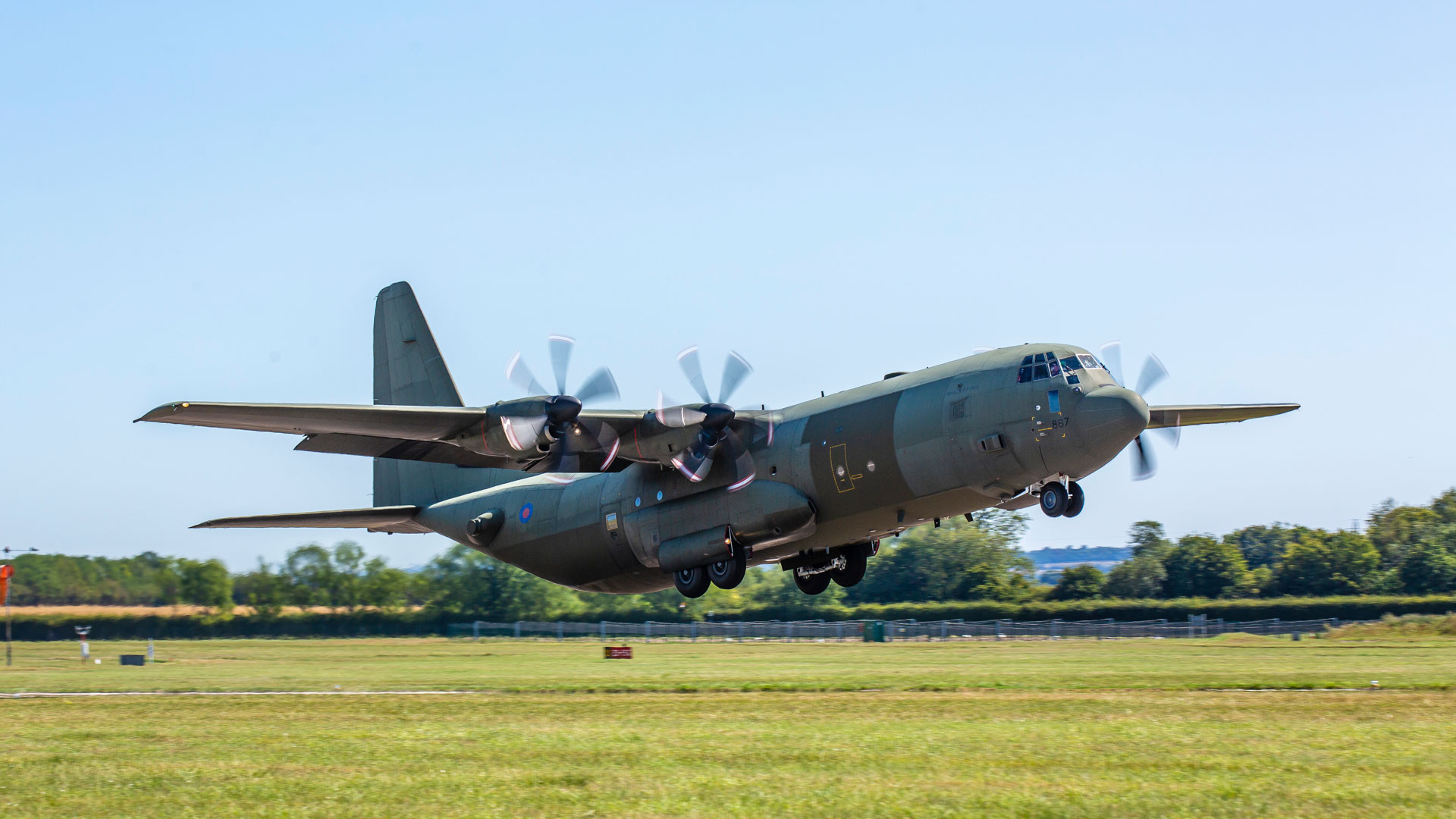
Once the new centre wing box is installed, Marshall will perform pressurisation tests, engine ground runs and flight tests to ensure the new centre wing box and rebuilt systems are performing as expected. This process will be repeated until all fault codes have been satisfied, and the aircraft can be signed off, repainted and released back to the customer.