Modernisation programmes
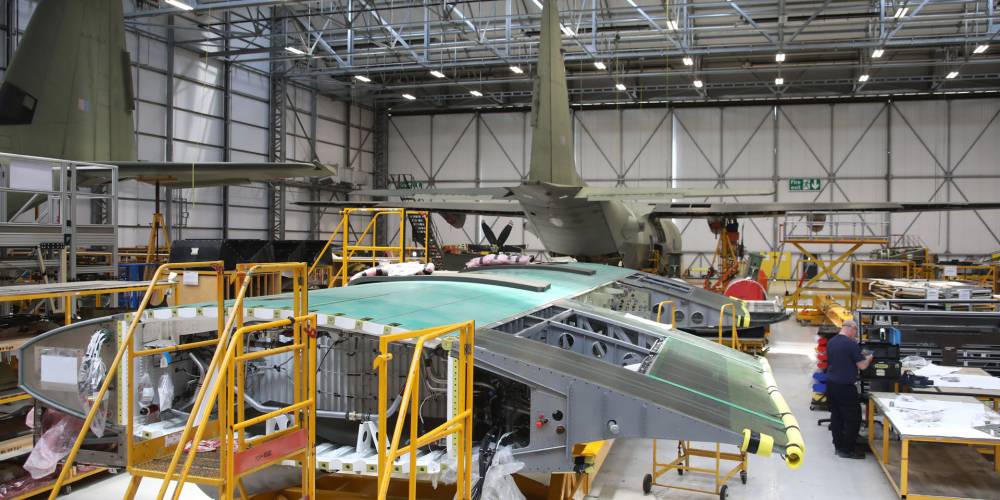
Having replaced almost every major structural component on the C-130 without OEM involvement from Lockheed Martin, Marshall occupies a leading position in the non-standard repair and replacement market.
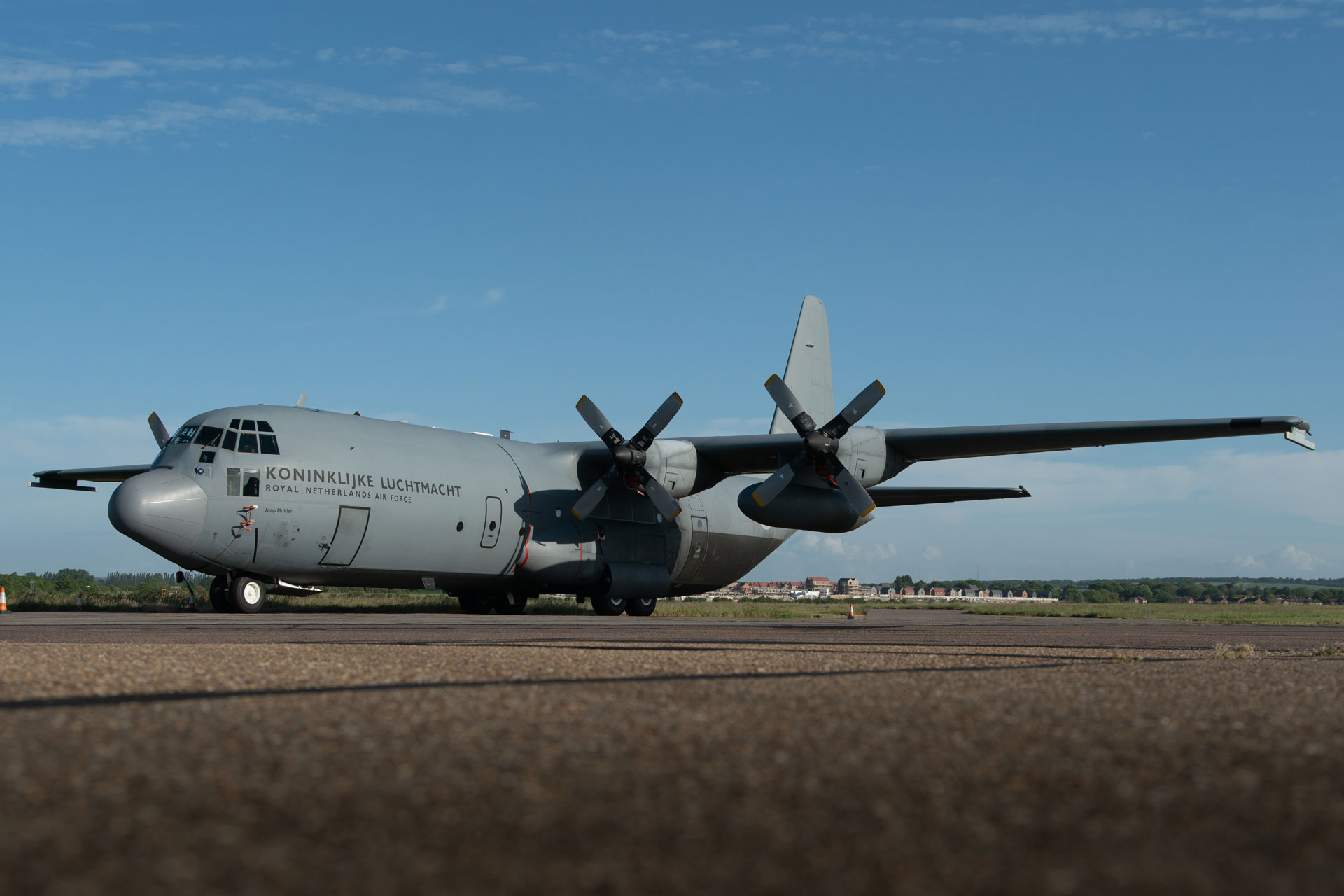
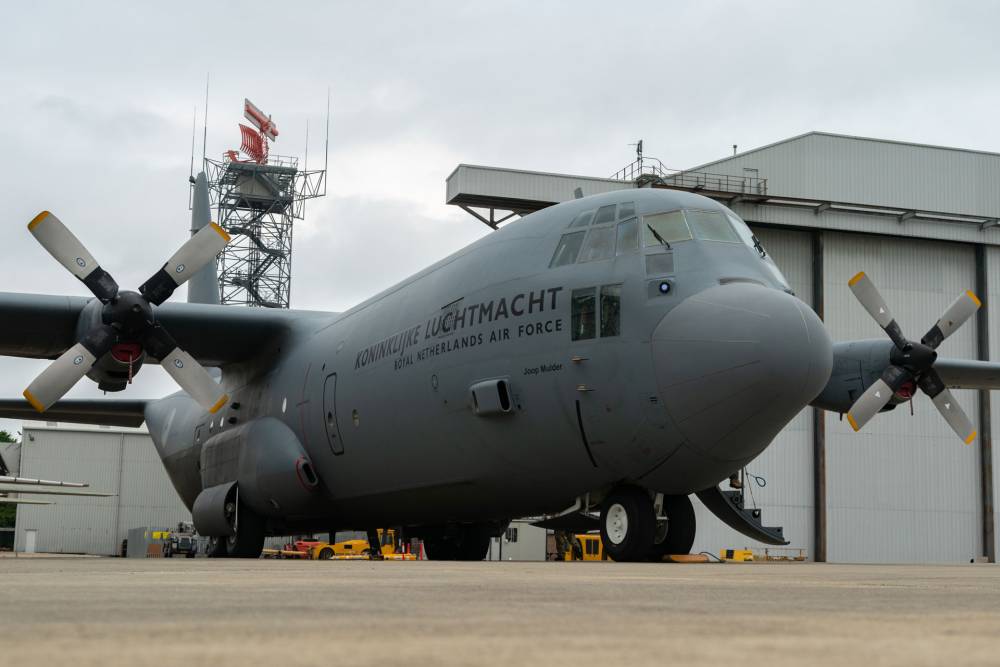
To enhance its tactical airlift capacity, the Royal Netherlands Air and Space Force (RNLASF) acquired two former US Navy EC-130Q TACAMO aircraft that had been in long-term storage in the Arizona desert.
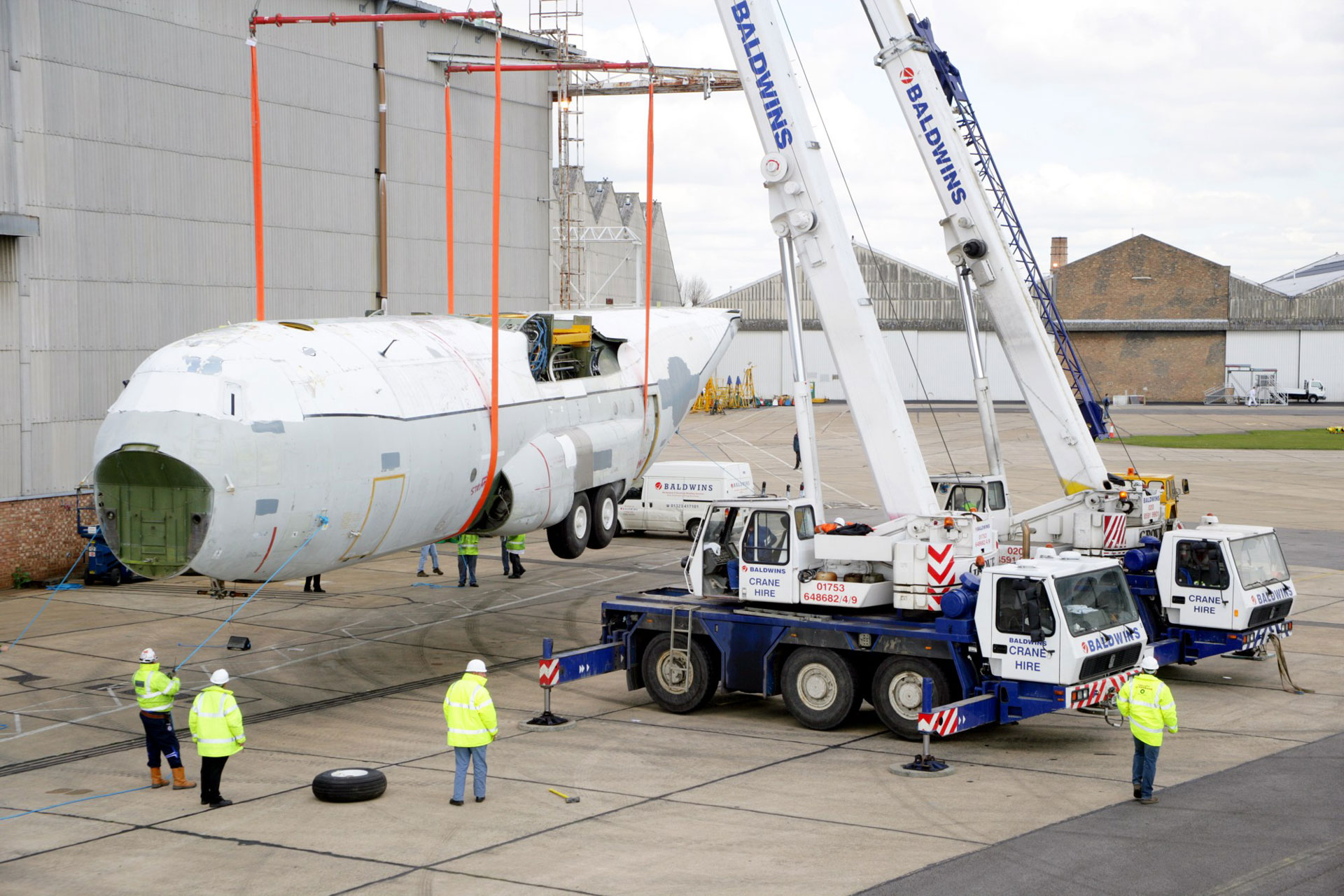
Before they could enter service, the aircraft had to be dismantled, transported across the United States, and shipped over the Atlantic. In Cambridge, Marshall Aerospace restored the two recovered aircraft to original build standard, and then comprehensively modernised them alongside RNLASF’s two existing C-130H-30 aircraft through a major Cockpit Upgrade Programme and Cabin Safety Improvement Programme.
This was one of the most extensive and complex engineering projects ever undertaken by Marshall Aerospace, drawing on wide-ranging expertise spanning complex aircraft recovery, deep maintenance, major modification, systems integration, certification, flight test support and long-term fleet sustainment.
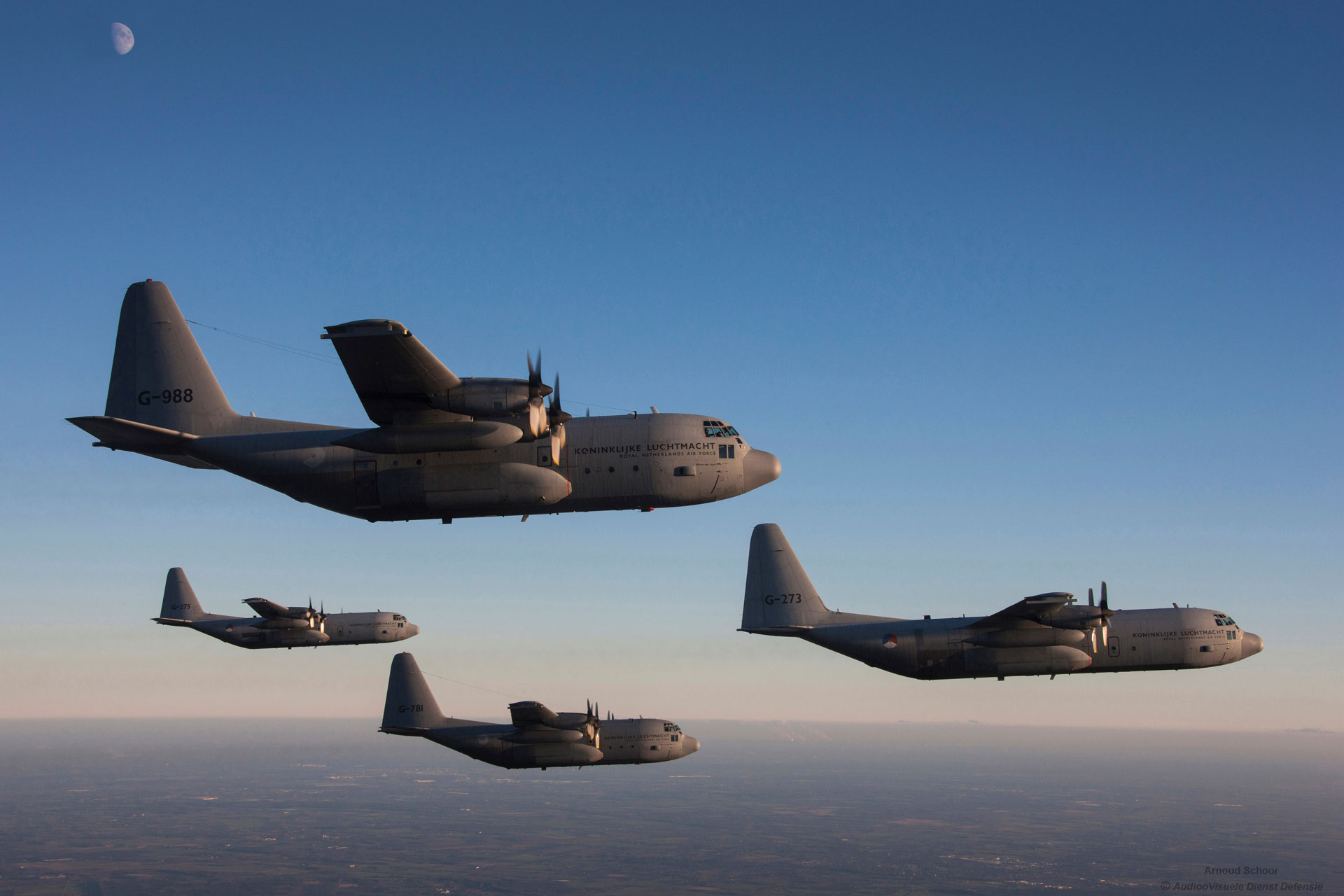
The result was a modern, capable four-aircraft fleet with remarkable consistency given the very different backgrounds of the airframes.
For RNLASF, acquiring two additional C-130 aircraft offered a practical route to increasing tactical airlift capability. The aircraft selected were former US Navy EC-130Q TACAMO platforms: specially modified C-130H-based aircraft that had previously carried out strategic communications missions before being retired and placed into storage.
This was not a simple transfer of airframes directly from one current operator to another: they had been out of frontline use for many years and were being recovered from the desert, where they had been stored in a stripped-down condition before their future role was determined.
Before any modernisation work could begin, the aircraft first had to be recovered, dismantled and transported to Marshall’s Cambridge site. The journey itself was a feat of logistical planning. The aircraft were taken apart in Tucson, Arizona by Derco Aerospace, moved by road to the port of Houston (over 1,000 miles), shipped to Tilbury Docks in the UK, and transported once again by road to Cambridge.
The engineering task upon arrival was even more complex. The two aircraft had to be reassembled and restored from their former EC-130Q configuration to C-130H standard, while also being aligned as far as possible with RNLASF’s existing C-130H-30 aircraft. The programme therefore had two linked objectives: to bring two stored aircraft back into viable service (recovery), and to help create a coherent four-aircraft fleet with common capability standards (upgrade).
The age and configuration of the aircraft added further complexity. Like many C-130H operators, RNLASF faced the challenge of keeping a proven airlift platform operationally relevant while meeting evolving airspace, safety and mission requirements. All four RNLASF aircraft therefore needed modern cockpit systems, improved situational awareness and safety enhancements.
Marshall Aerospace’s solution began with the fundamentals: understand the condition and configuration of the aircraft, recover them safely, and establish a clear route from long-term storage to operational service.
The aircraft’s former special-mission configuration had to be addressed, redundant systems removed, and the airframes brought into a standard suitable for RNLASF’s tactical airlift requirements. At the same time, Marshall had to take account of RNLASF’s other two aircraft, ensuring that the newly recovered aircraft could be integrated as part of a wider four-aircraft capability.
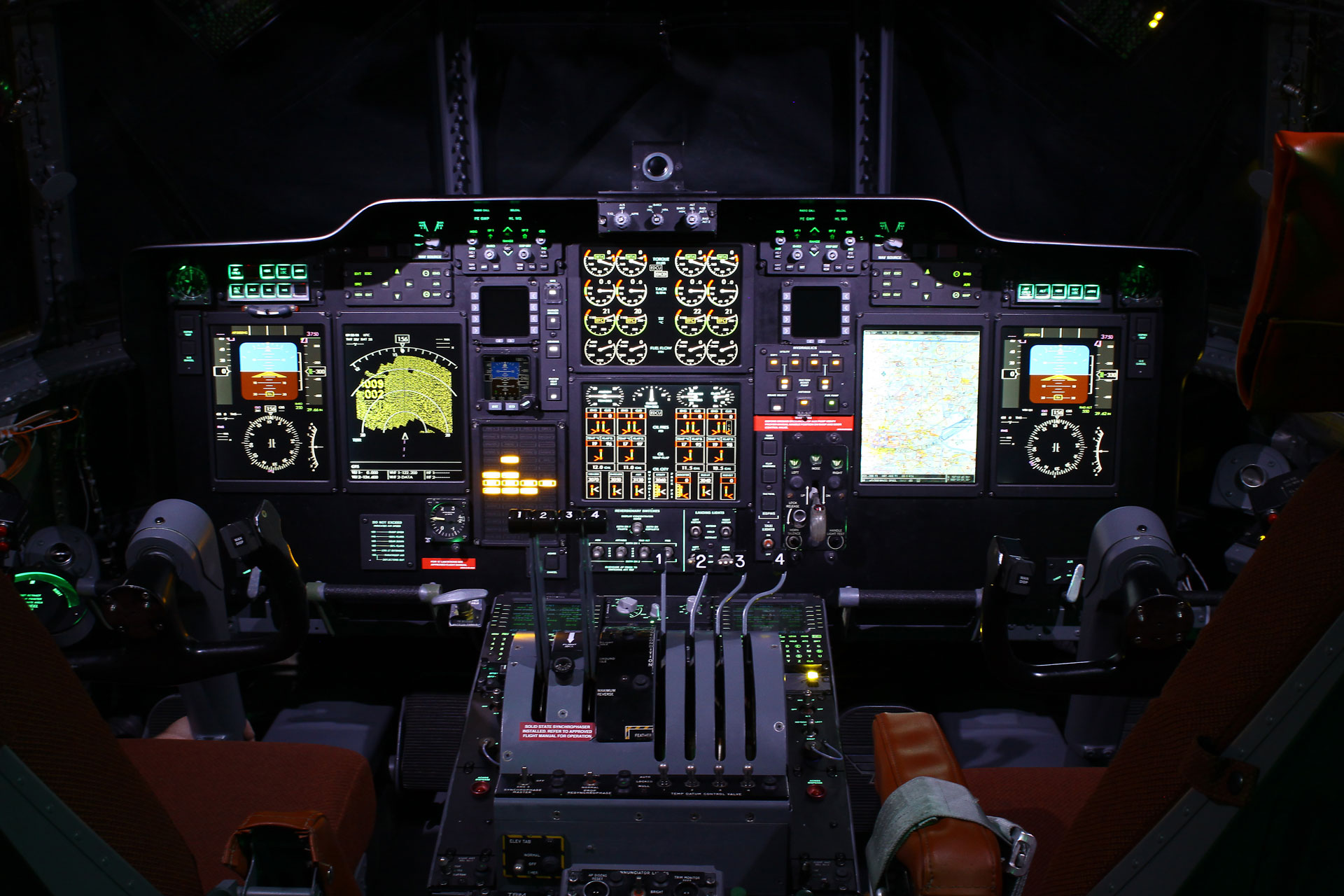
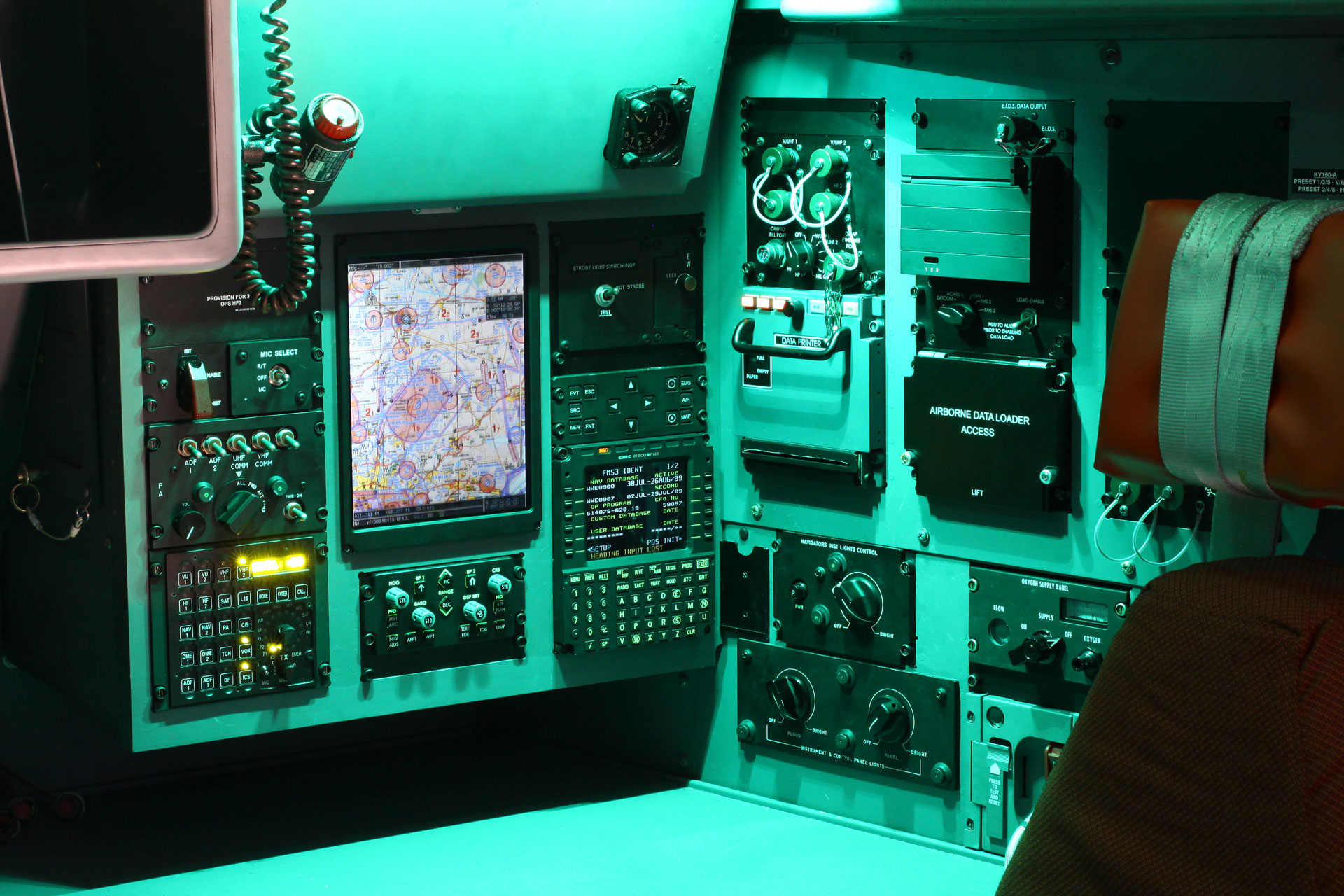
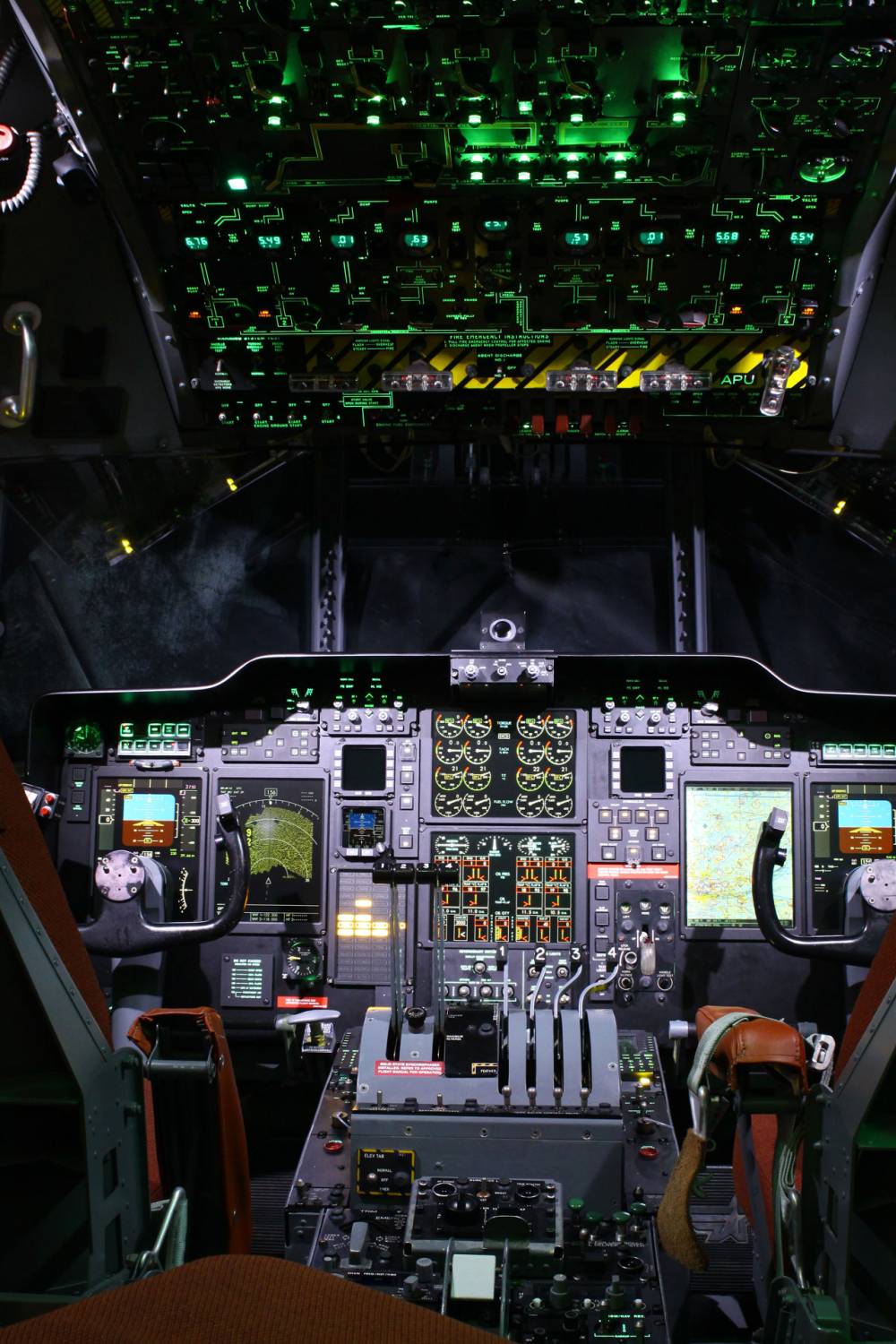
The Cockpit Upgrade Programme was central to that effort. Prior to the upgrade, the C-130H cockpits relied heavily on analogue instrumentation. Marshall replaced this with a modern glass cockpit environment, using digital displays to reduce pilot workload and improve situational awareness.
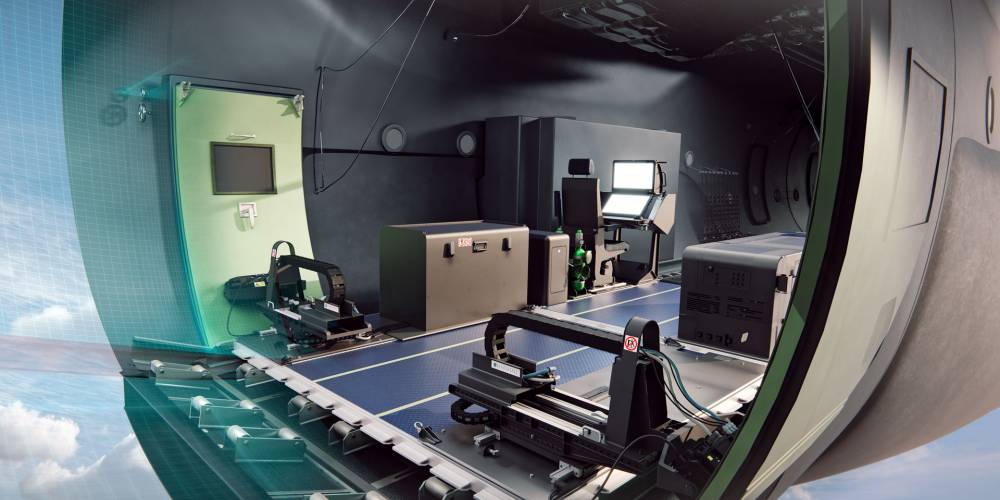
In parallel, Marshall delivered the Cabin Safety Improvement Programme. This addressed occupant safety requirements and introduced a series of safety, operational and comfort improvements in the cargo area. The result was not only a more compliant aircraft, but one better suited to the practical demands of military transport operations.
The upgrade included a Communications, Navigation and Surveillance system for Air Traffic Management, enabling the aircraft to operate more effectively in civil airspace. This was based around an integrated suite including a flight management system, inertial reference system, VOR, DME, automatic direction finder and GPS. Traffic Collision Avoidance System and Enhanced Ground Proximity Warning System equipment were also installed, while the cockpits were made compatible with night vision goggles.
The Cockpit Upgrade Programme replaced largely analogue instrumentation with a modern glass cockpit environment, improving situational awareness and reducing pilot workload.
The Cabin Safety Improvement Programme addressed occupant safety requirements while introducing safety, operational and comfort improvements in the cargo area.
The true engineering challenge lay in the integration. Marshall was combining commercial off-the-shelf systems, aircraft-specific modifications, safety improvements and customer-driven operational requirements across aircraft that had started the programme in different configurations and conditions. The cockpit upgrade programme alone involved roughly 180 line-replaceable units (LRUs).
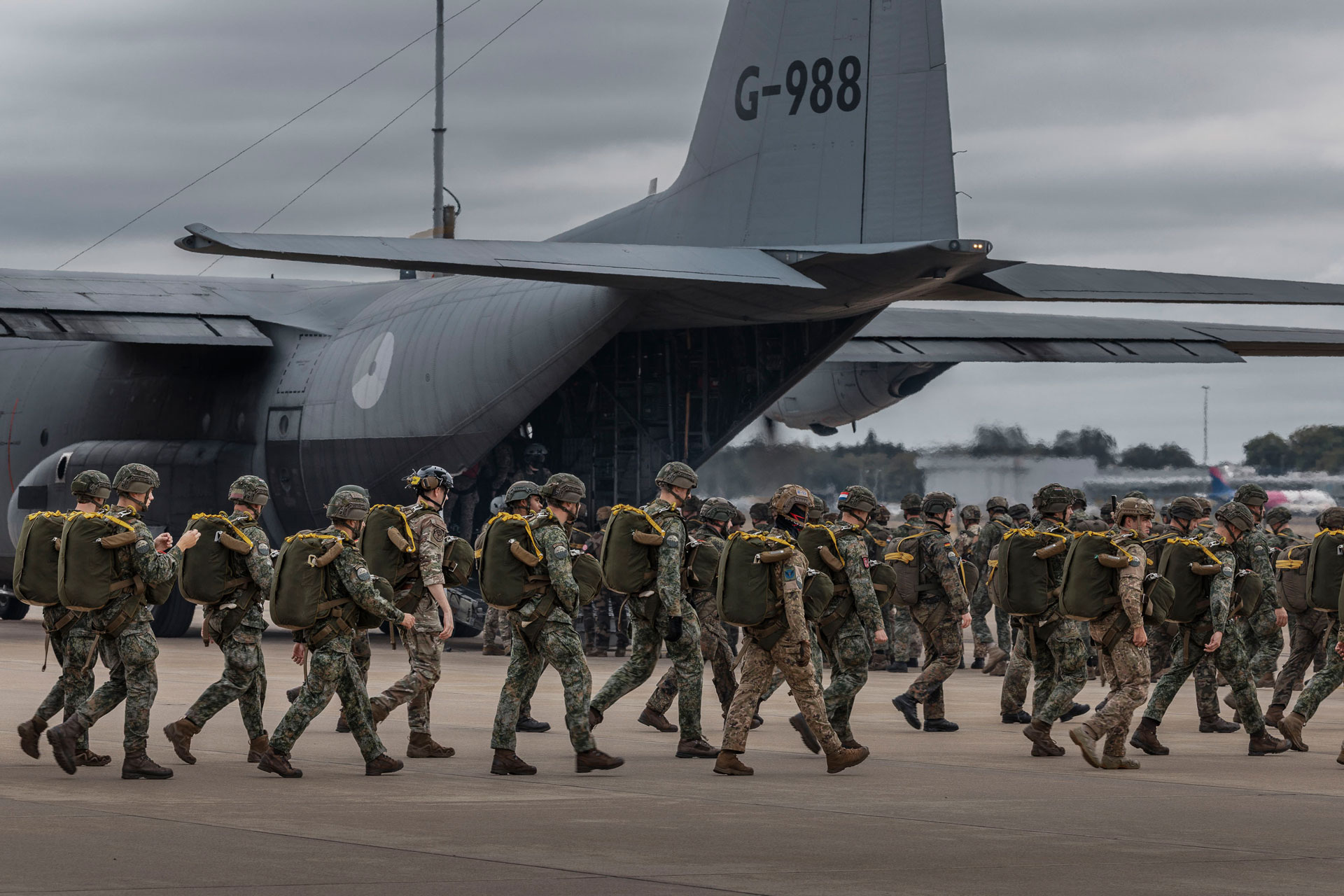
Following the first flight of G-988 (one of the two recovered TACAMO aircraft) from Cambridge in July 2009, the aircraft entered an extensive test and evaluation phase that included 24 test flights and gave RNLASF crews a chance to familiarise themselves with the new systems.
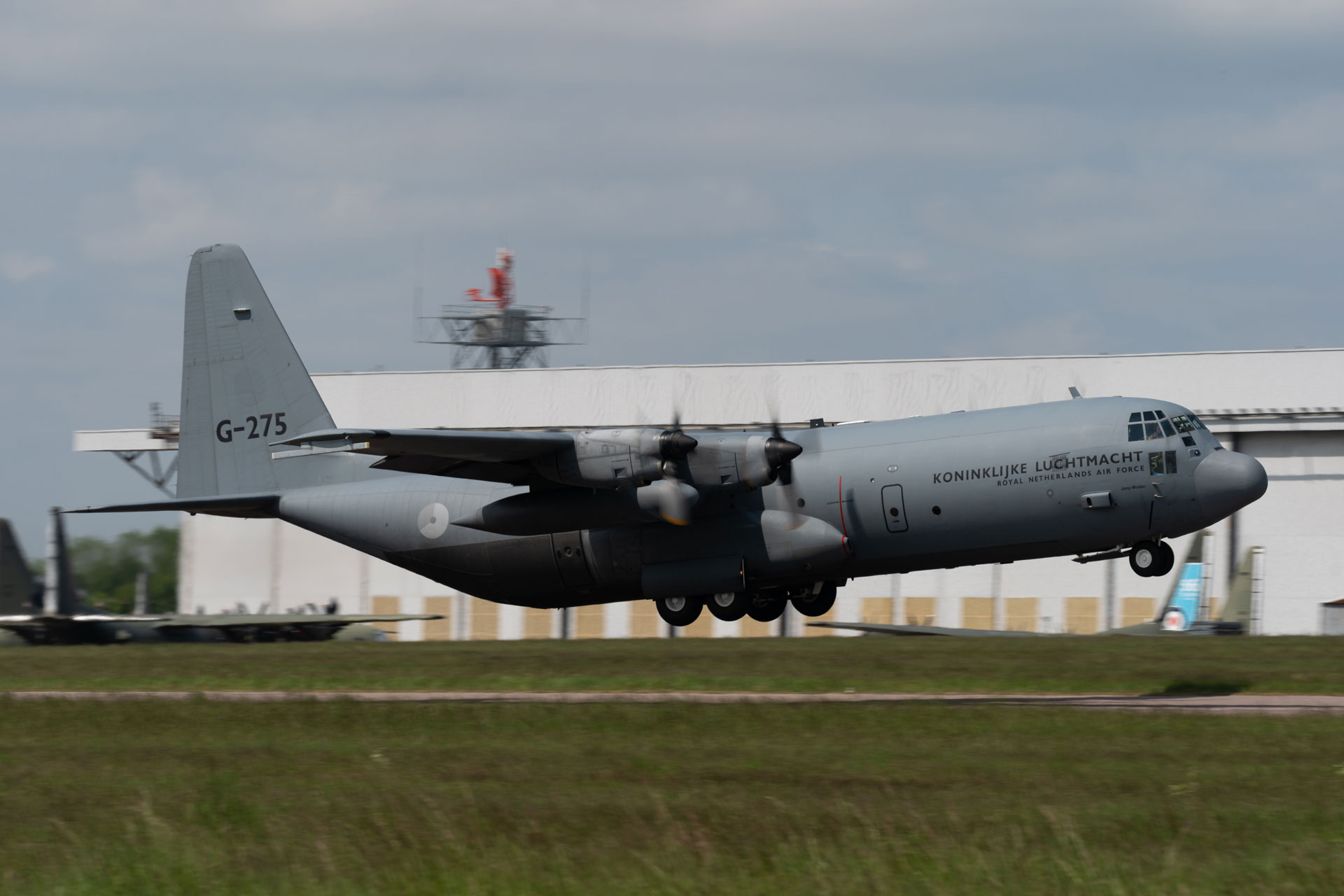
The programme delivered a modernised four-aircraft C-130H fleet for the Royal Netherlands Air and Space Force, tying together the recovery of two former US Navy aircraft with the upgrade of the RNLASF’s existing C-130H-30s.
Following the test and evaluation phase, G-988 was handed over to RNLASF in 2010, marking a major milestone in a programme that had begun with a dismantled airframe in the Arizona desert.
The wider fleet upgrade was completed in 2012, when Marshall finished the fourth and final Cockpit Upgrade and Cabin Safety Improvement installation. By that point, all four RNLASF aircraft had benefited from a package of modern cockpit systems, safety improvements, civil airspace compliance enhancements and operational upgrades. In effect, they were, and remain, among the most modern and capable C-130Hs in the world.
1991 〰️ Two former US Navy EC-130Q TACAMO aircraft retired from service and put into long-term storage in Arizona’s Mojave Desert.
1992 〰️ RNLASF becomes a C-130 operator, acquiring two new “stretched” C-130H-30 aircraft (delivered to 336 Squadron at Eindhoven air base in 1994 and 1995).
November 2005 〰️ RNLASF expands its C-130 fleet further by acquiring the two former TACAMO aircraft through Derco Aerospace. Preparation for dismantling and shipping from Arizona begins.
April 2006 〰️ Both former TACAMO aircraft arrive at Marshall Aerospace, Cambridge, by road.
July 2009 〰️ G-988 makes its first flight from Cambridge, lasting 2 hours and covering 400 nautical miles.
July 2009 〰️ RNLASF aircraft appears at the 2009 Royal International Air Tattoo (RIAT) as a public demonstration of the programme’s progress.
February 2010 〰️ First upgraded aircraft handed over to RNLASF.
November 2012 〰️ Fourth and final CUP/CSIMP installation completed, effectively completing the four-aircraft fleet upgrade.
The value of the programme extended well beyond delivery. The upgraded aircraft went on to support Dutch and allied operations around the world, including coalition airlift activity in the Middle East and humanitarian support following Hurricane Irma in the Caribbean. These missions demonstrated the enduring operational relevance of the upgraded fleet and the importance of investing in proven airlift platforms.
"Throughout the years, we have transformed the relationship into one of cooperating and partnering. The Royal Netherlands Air Force provides the operational input, while Marshall delivers the engineering solutions—a proven and rock solid combination.
"If technical problems arise, Marshall is immediately around to support the Royal Netherlands Air Force. This focus on the customer’s true needs really distinguishes Marshall in the aerospace industry."
Major General Sotthewes
Deputy Commander, Royal Netherlands Air and Space Force
The programme also formed part of a much longer Marshall-RNLASF relationship. Marshall had supported the RNLASF C-130 fleet since the 1990s, providing engineering support, maintenance, capability insertion and technical services over several decades. The recovery and upgrade of the RNLASF’s C-130Hs therefore stands as both a major engineering achievement in its own right and a clear example of Marshall’s through-life approach to fleet support.