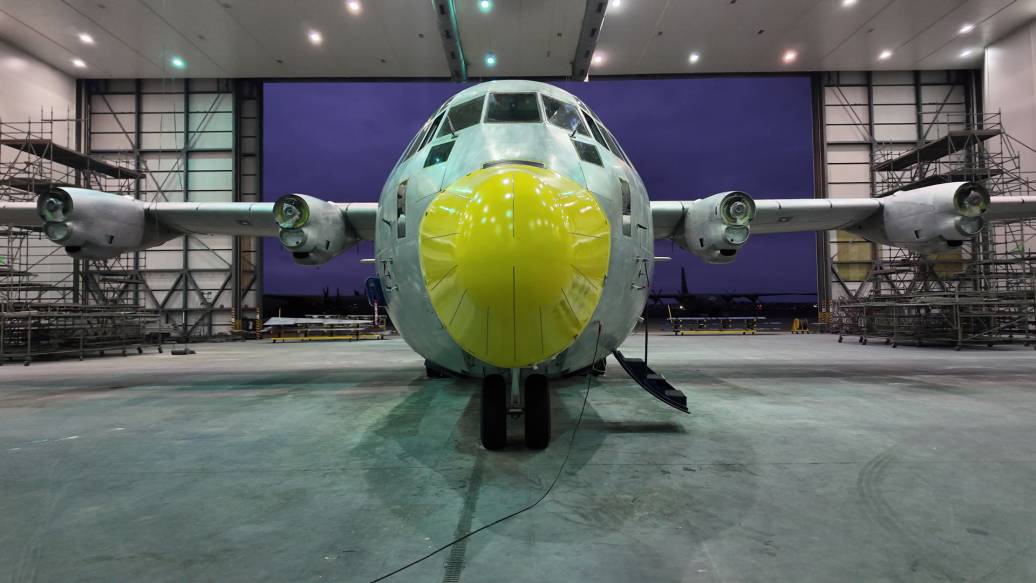
Before any C‑130 enters a major maintenance event at Marshall Aerospace, it undergoes a transformation that is essential but rarely seen: the complete removal of every layer of paint and primer. This paint strip (or “depaint”) stage ensures that engineers can inspect the aircraft’s structure with absolute clarity and identify issues that may be lying under the surface.
Returning an aircraft to bare metal is a meticulous, highly controlled process that combines specialist facilities, chemical treatments, and the expertise of teams of technicians.
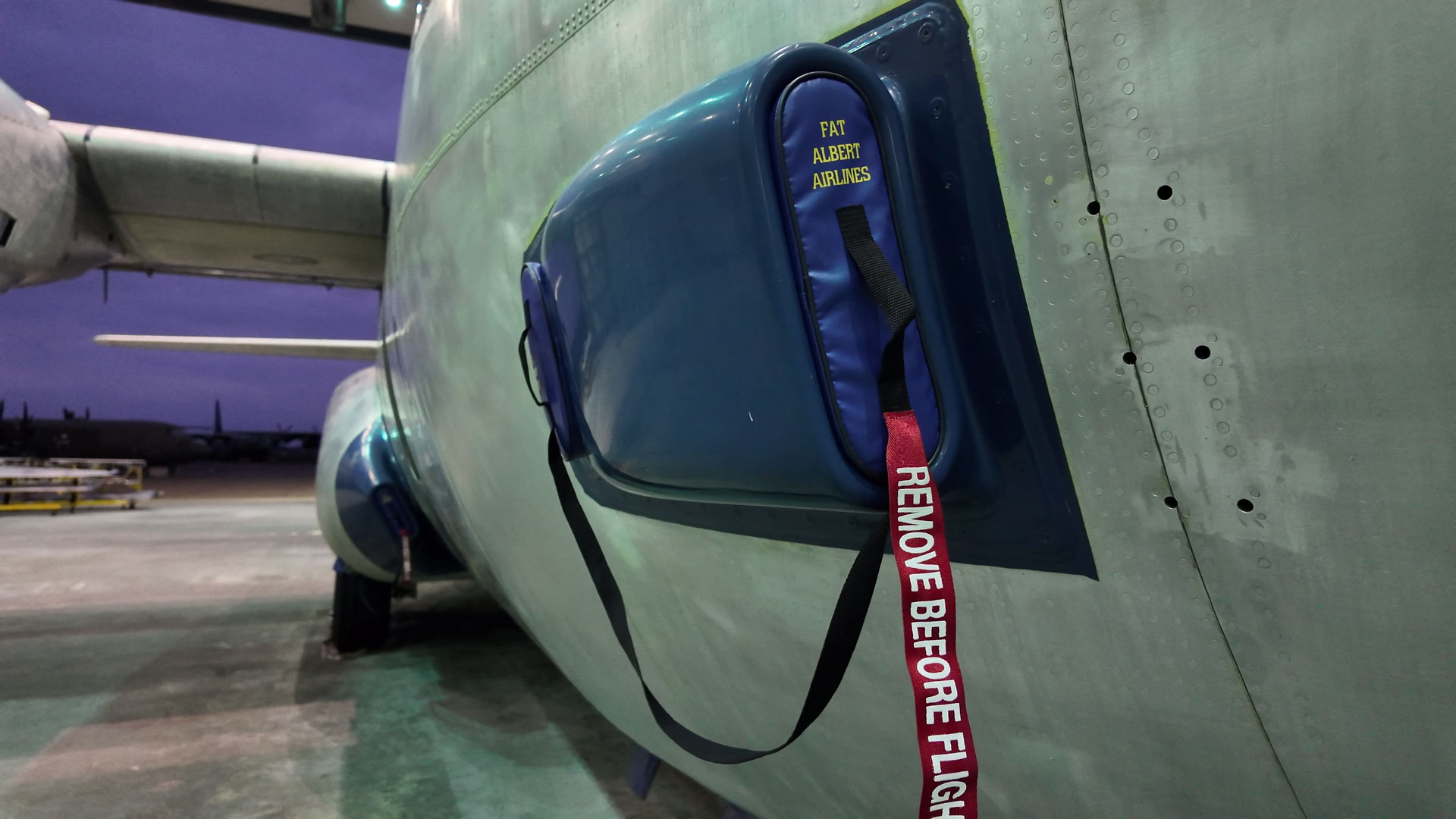
The video below offers a rare behind‑the‑scenes look into the paint strip process for Fat Albert, the US Navy’s C‑130 support aircraft for the Blue Angels, which recently returned to Cambridge for a new centre wing. The footage was captured shortly after the aircraft’s arrival, induction and pre-maintenance engine ground run.
Why paint strip is essential for airworthiness
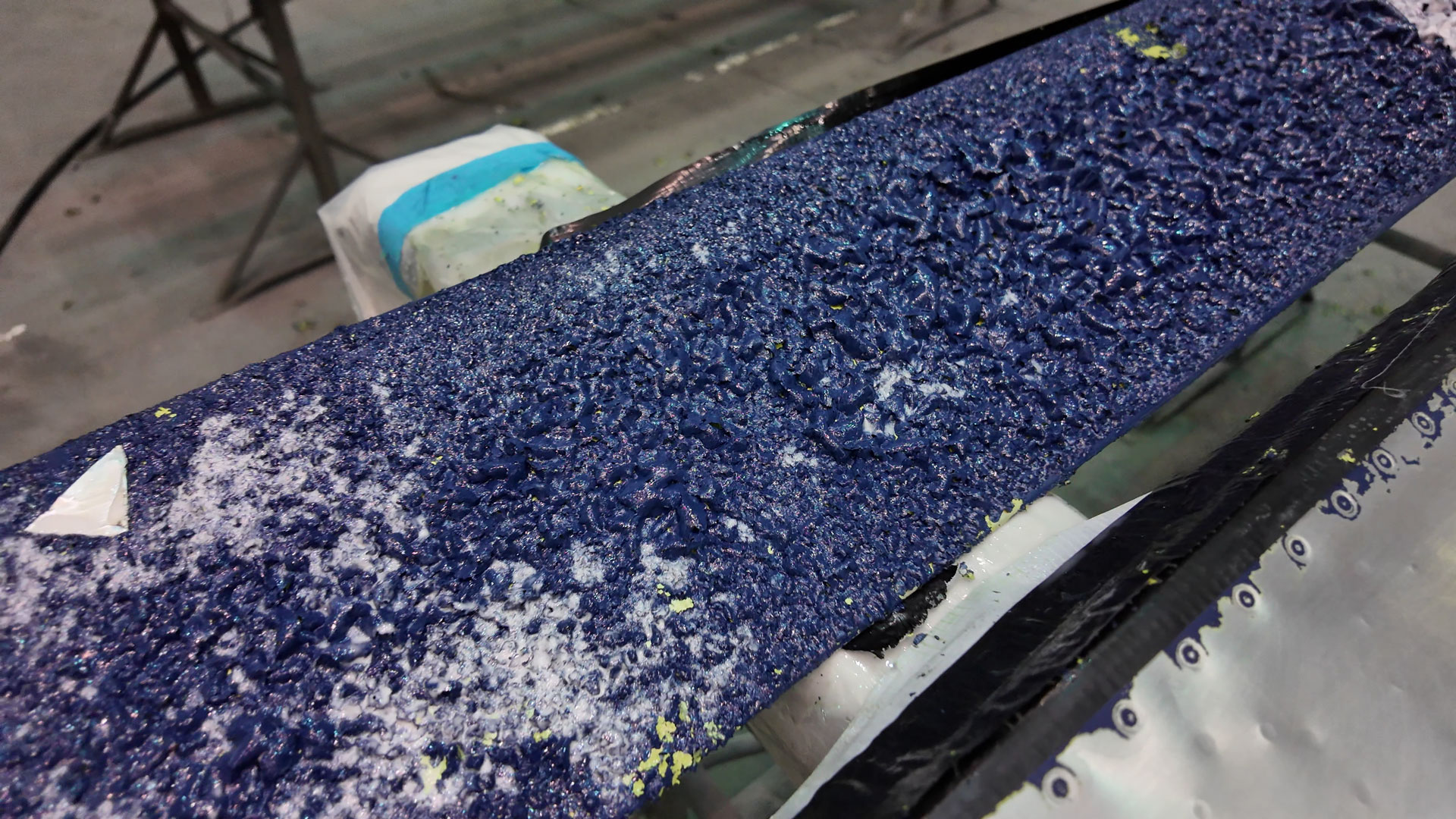
Ordinarily, aircraft paint serves as a vital protective barrier against extreme temperatures and UV radiation, while preventing intrusion by moisture, salt and fuel. Ironically, the very same paintwork can represent a liability during maintenance, masking early signs of corrosion, cracking, or structural fatigue.
Removing those layers allows engineers to conduct a far more detailed inspection, ensuring that no underlying defect goes unnoticed before deeper maintenance begins.
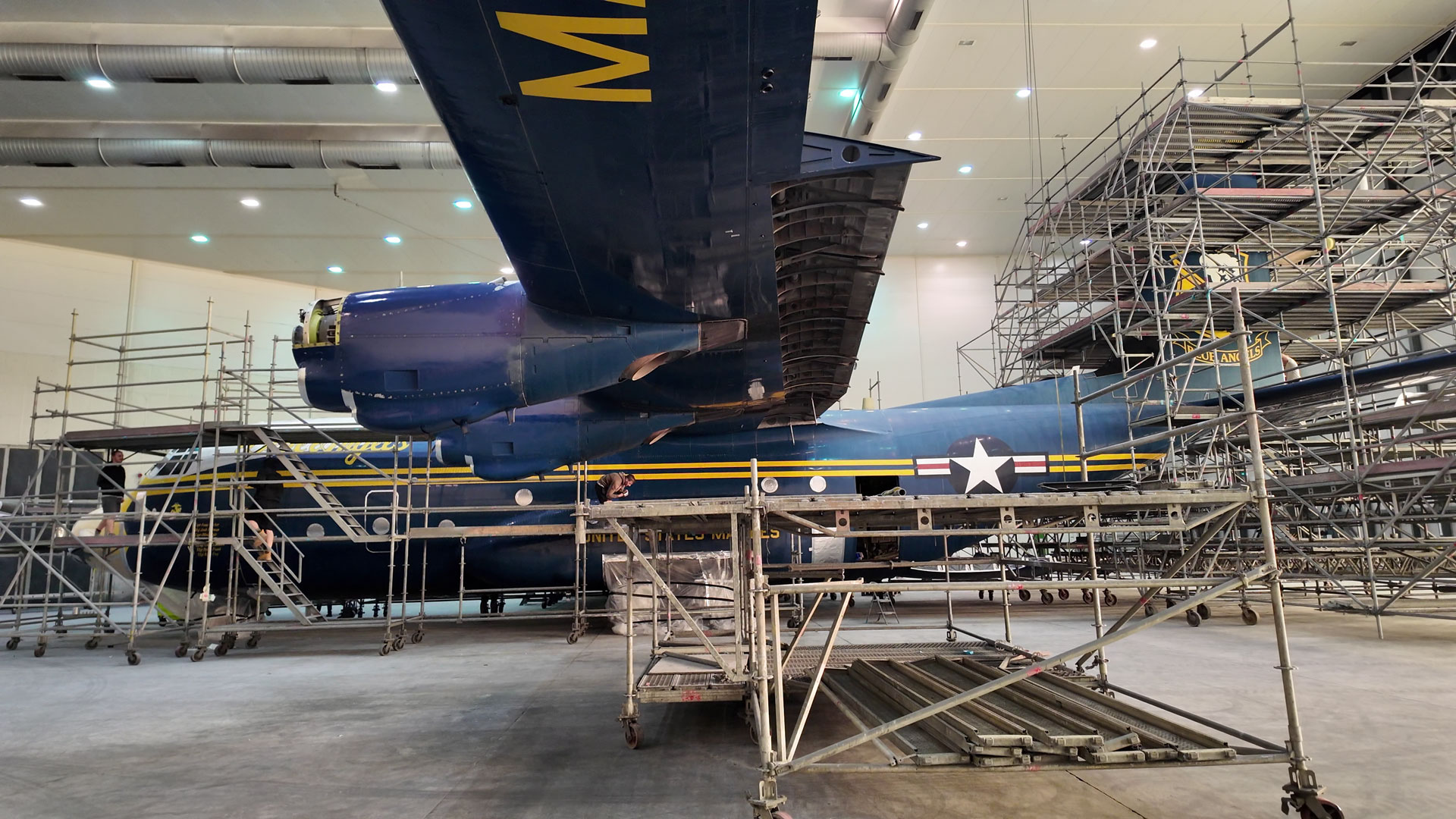
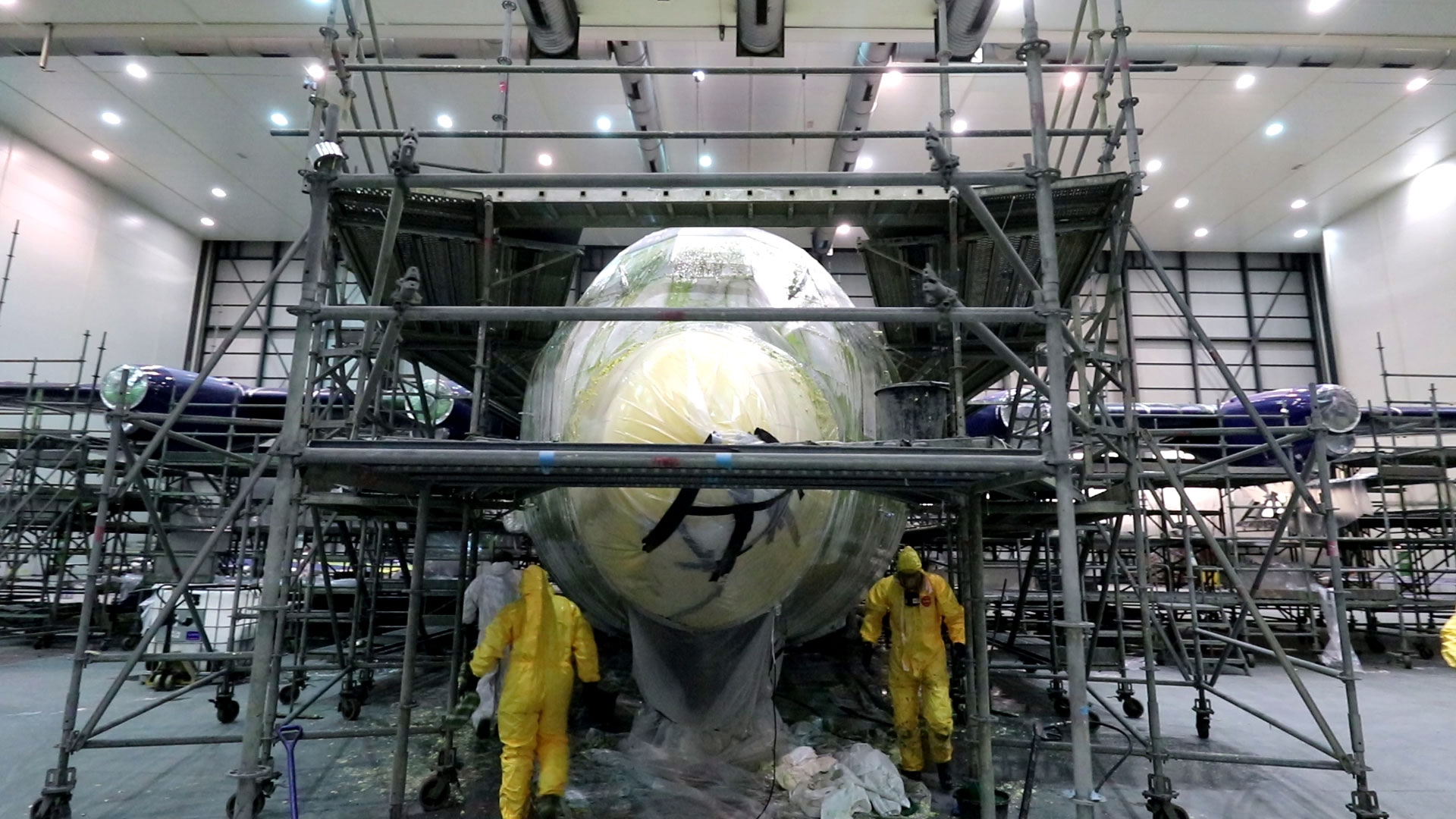
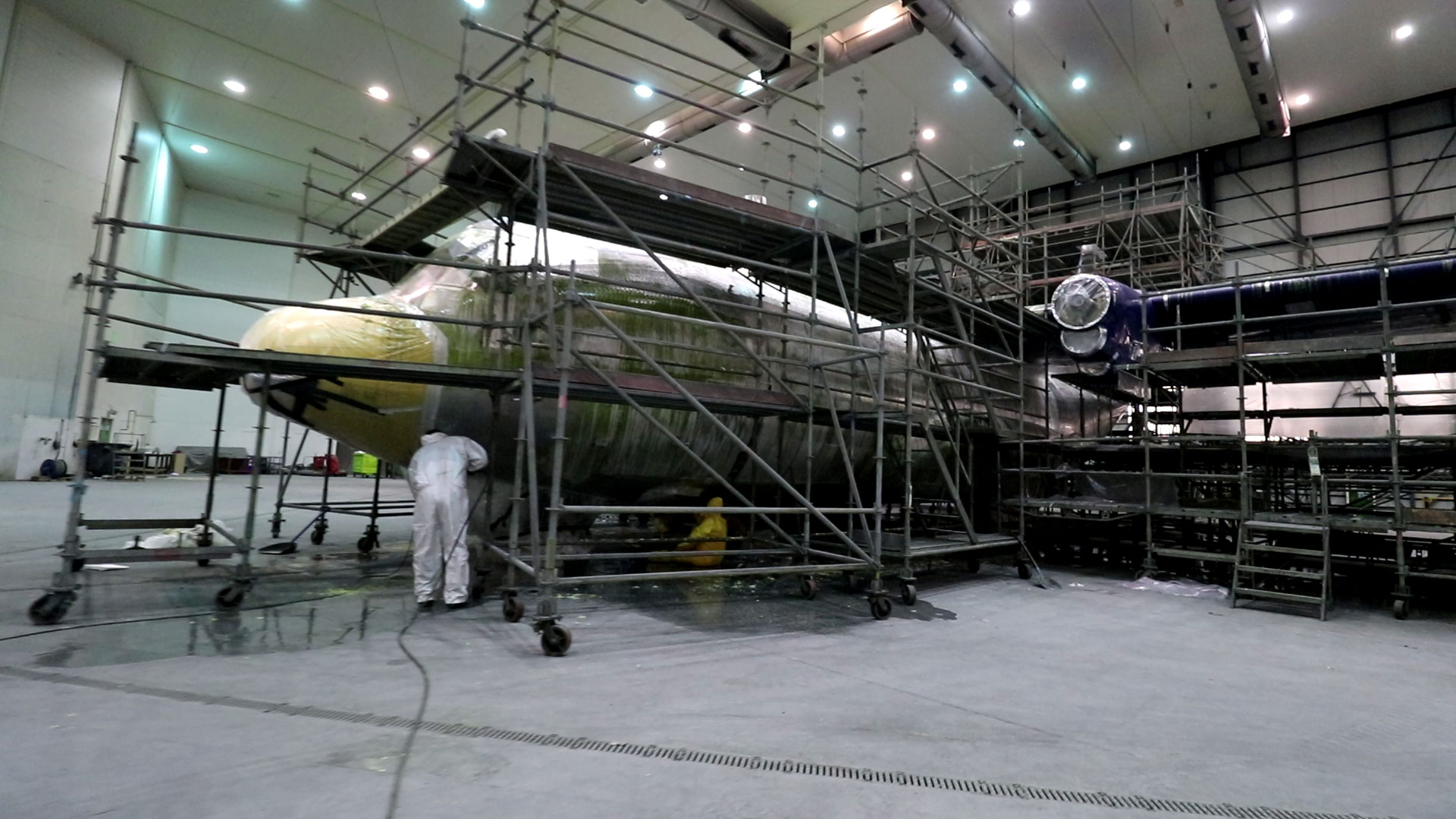
Once inducted, the aircraft is positioned inside Marshall’s dedicated paint facility—one of the largest in Europe—where scaffolding is erected and sensitive areas are masked. The controlled environment ensures consistent quality, containment of materials, and safe handling throughout the process.
A controlled, multi‑stage chemical strip
Paint strip begins with the application of a specialist chemical stripping agent designed to soften and dissolve the paint system without affecting the underlying aluminium structure. Larger surfaces are treated in situ, while smaller components, once removed, are processed individually to ensure complete coverage.
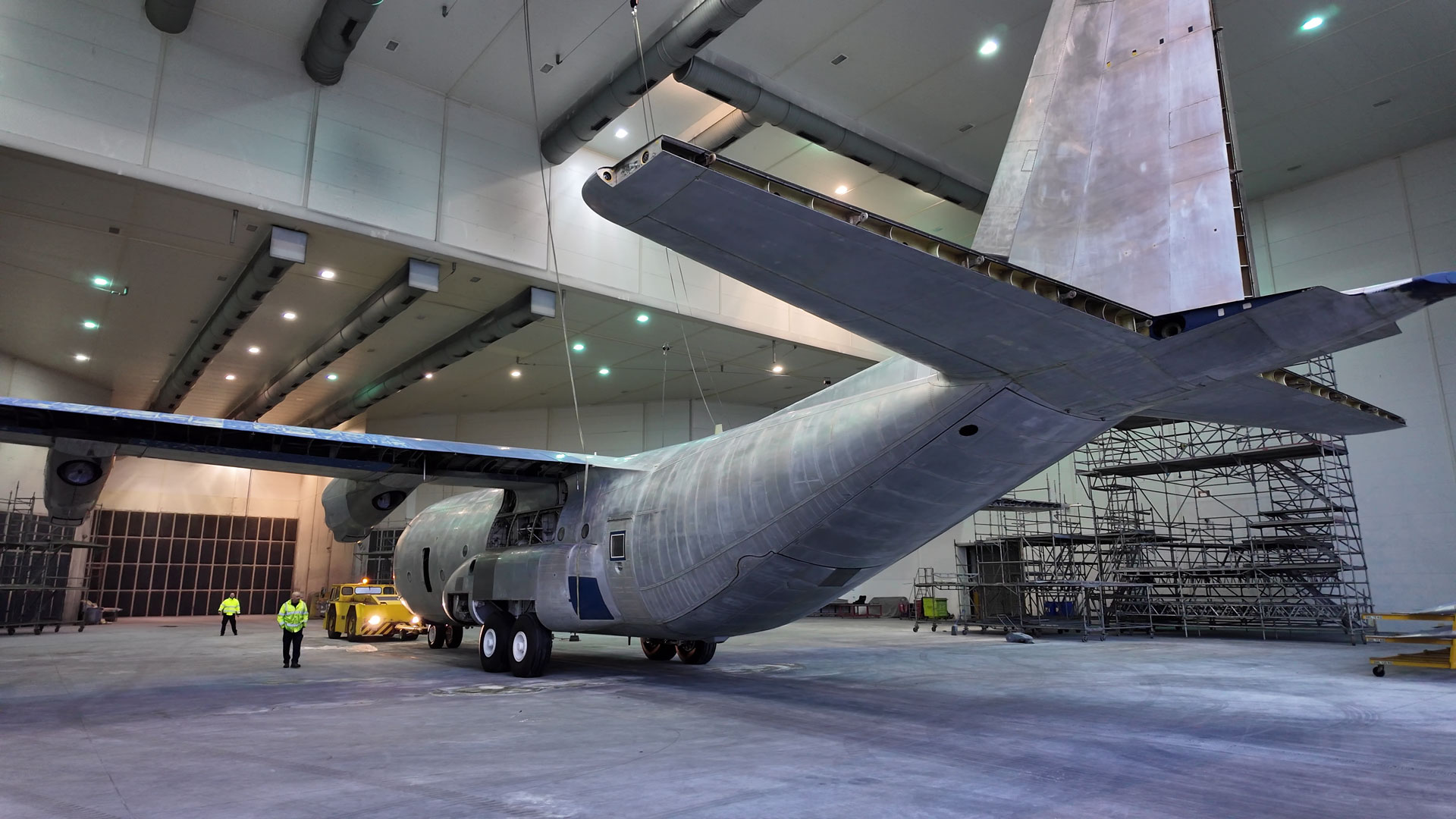
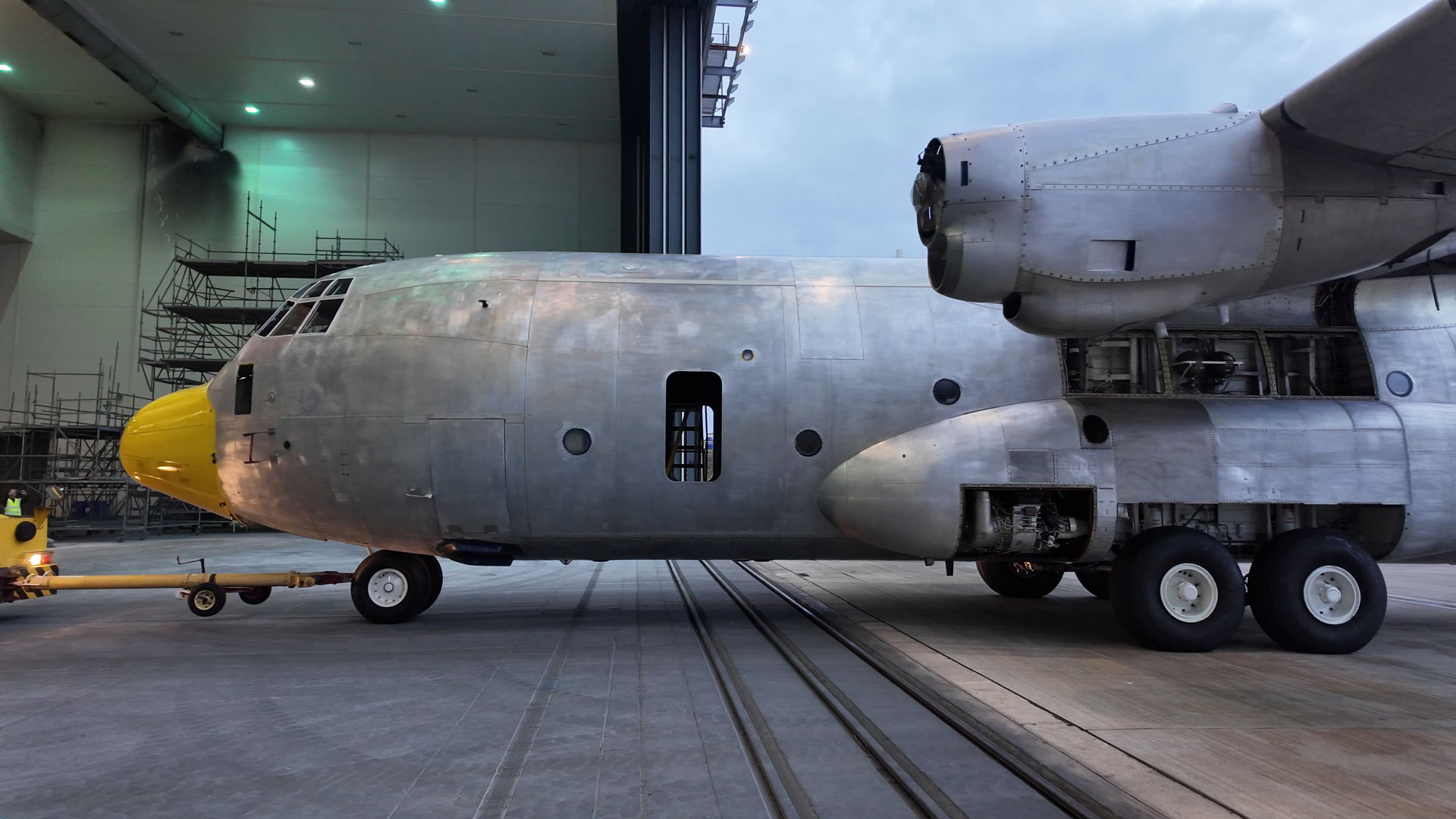
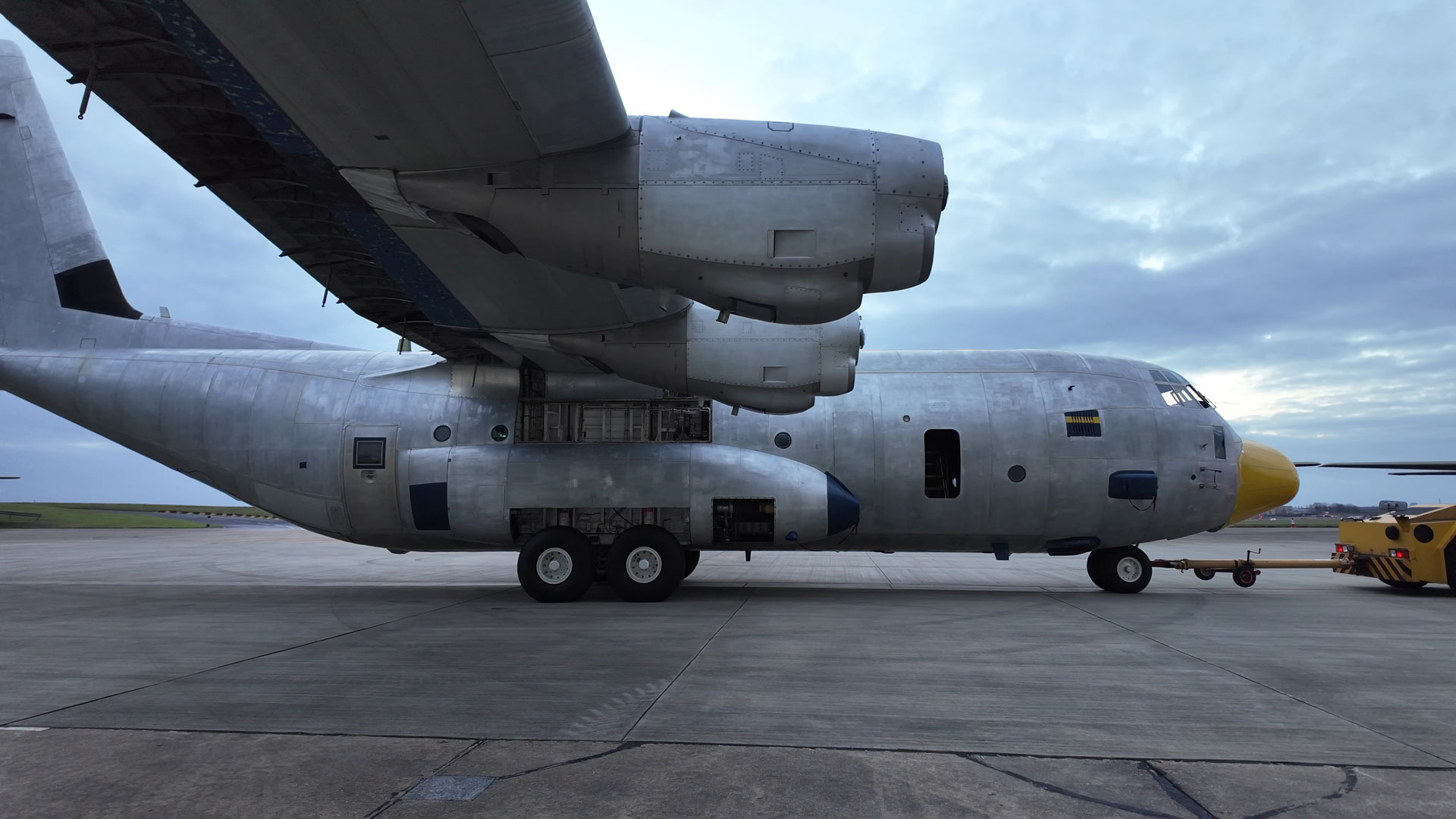
The solvents used are selected for predictable performance, safe handling, and compatibility with subsequent inspection and repair stages. By the end of the process, the aircraft is roughly a third of a ton lighter—an indication of the volume of material removed and the level of access now available to the engineering teams.
With the coatings gone, technicians can begin the detailed structural assessments that underpin every major maintenance event, from corrosion mapping to non‑destructive testing.
Setting the stage for heavy maintenance and repaint
Once fully stripped and inspected, the aircraft returns to the hangars for the main phase of heavy maintenance. Depending on the scope of work, this can take several months, particularly when deep structural tasks are required. After maintenance, the aircraft returns to the paint facility for its fresh livery—whether a standard scheme or a bespoke design—applied in partnership with a specialist provider.
Marshall Aerospace’s paint facility, opened in 2015, incorporates industry‑leading abatement systems that prevent harmful pollutants from entering the atmosphere. This enables the team to manage the full strip‑and‑repaint cycle on site while maintaining high environmental and safety standards—an increasingly important capability for operators focused on fleet readiness and long‑term sustainment.
FIND OUT MORE ABOUT MAINTENANCE, REPAIR AND OVERHAUL AT MARSHALL AEROSPACE